Computer and Data Fundamentals for Biologists
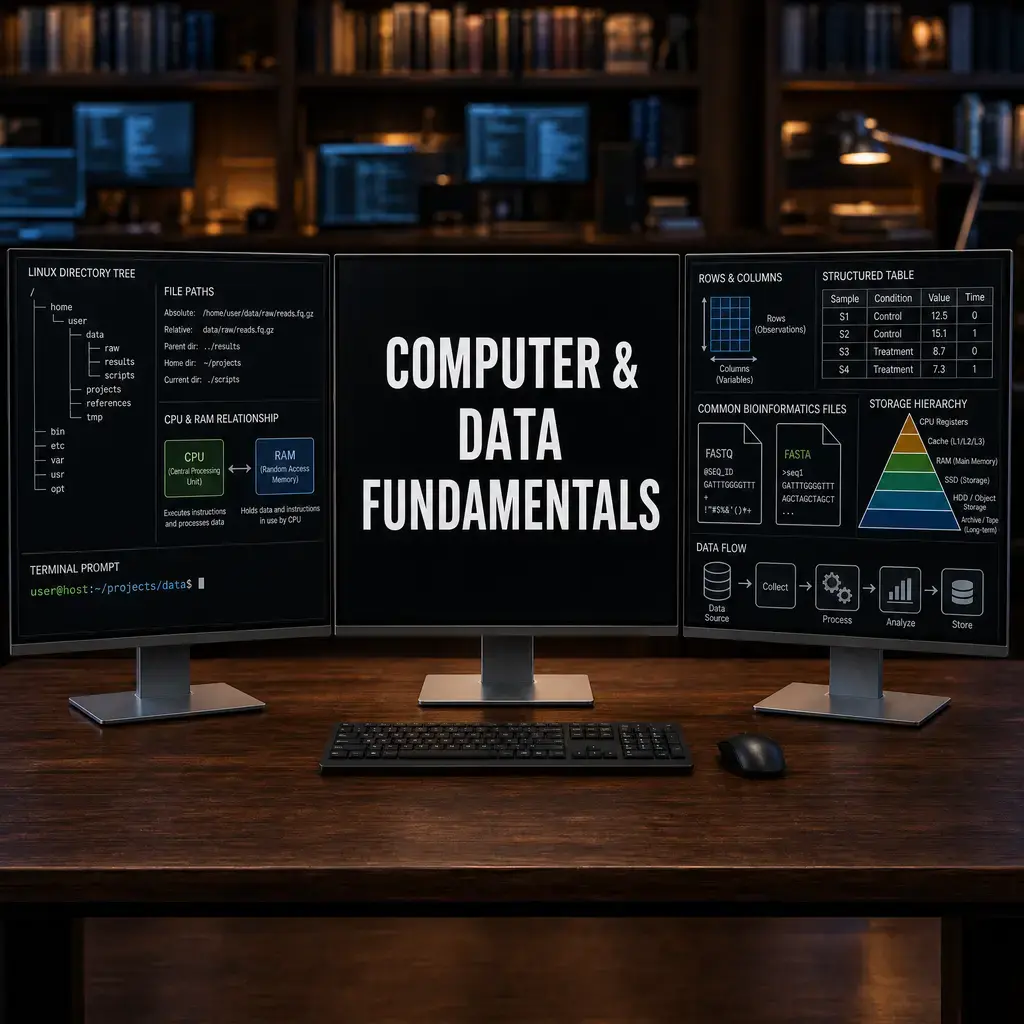
Learn how computers store, process, and move biological data before using Linux, HPC, and omics workflows.
Read More →Explore our comprehensive collection of bioinformatics tutorials

Learn how computers store, process, and move biological data before using Linux, HPC, and omics workflows.
Read More →
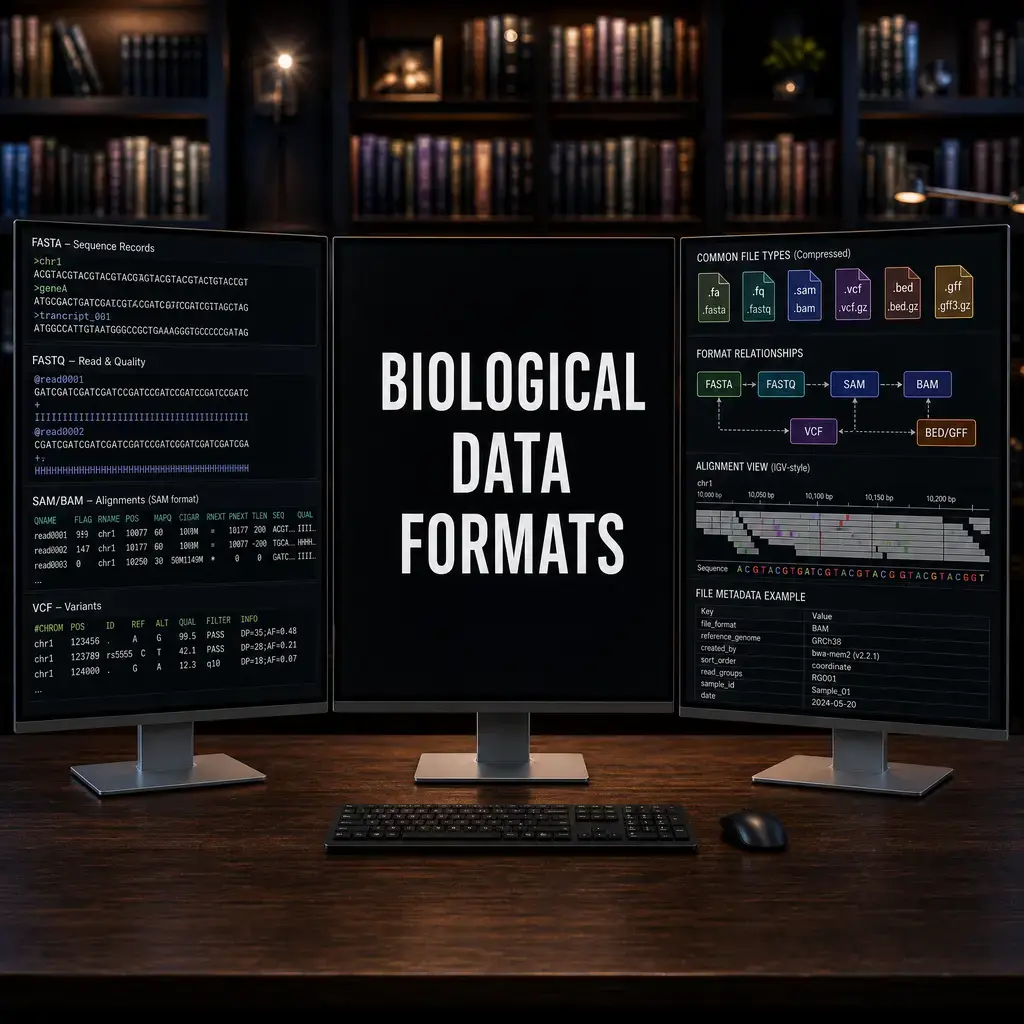
Read FASTA, FASTQ, SAM/BAM, VCF, GTF/GFF, and count matrices with confidence before running analysis pipelines.
Read More →
Understand read quality, mapping, duplication, contamination, missing data, and QC decisions across omics workflows.
Read More →
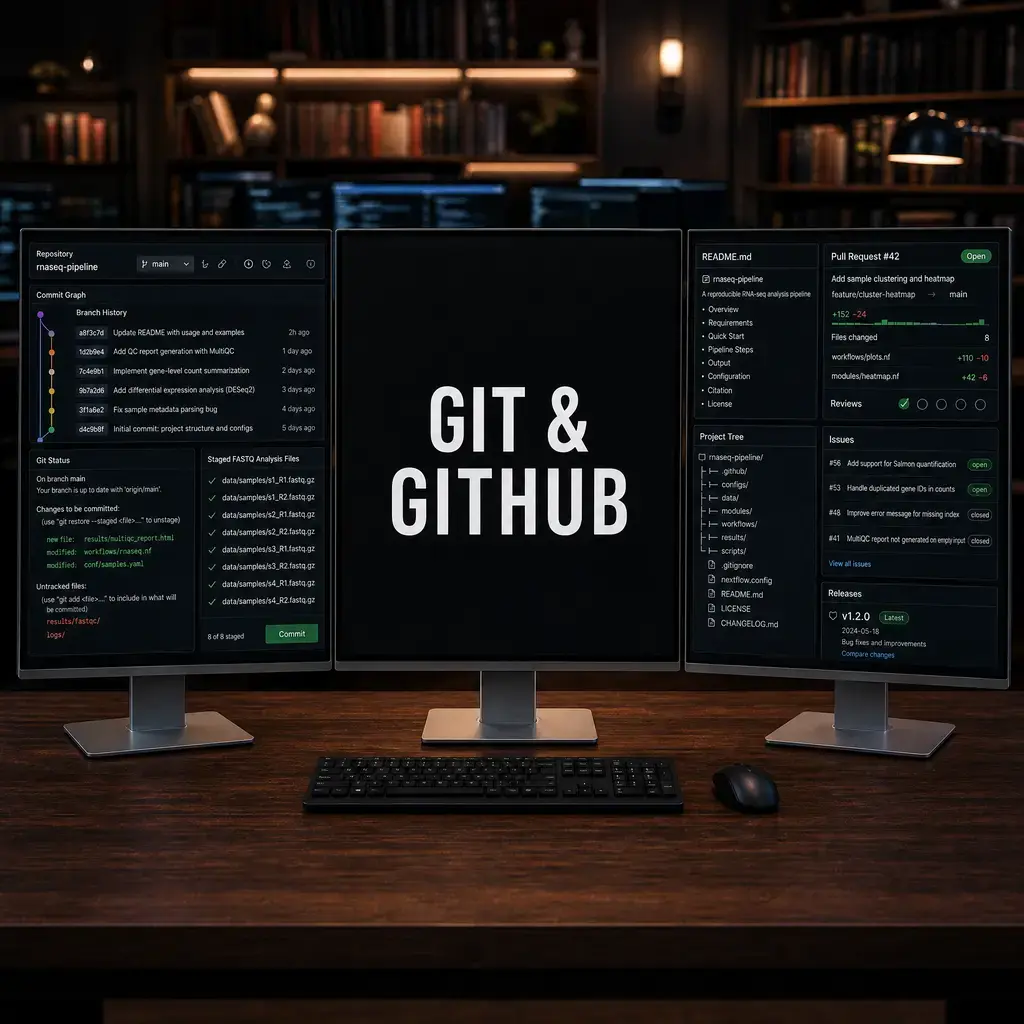
Use Git and GitHub to track code, document analyses, collaborate safely, and make bioinformatics projects reproducible.
Read More →
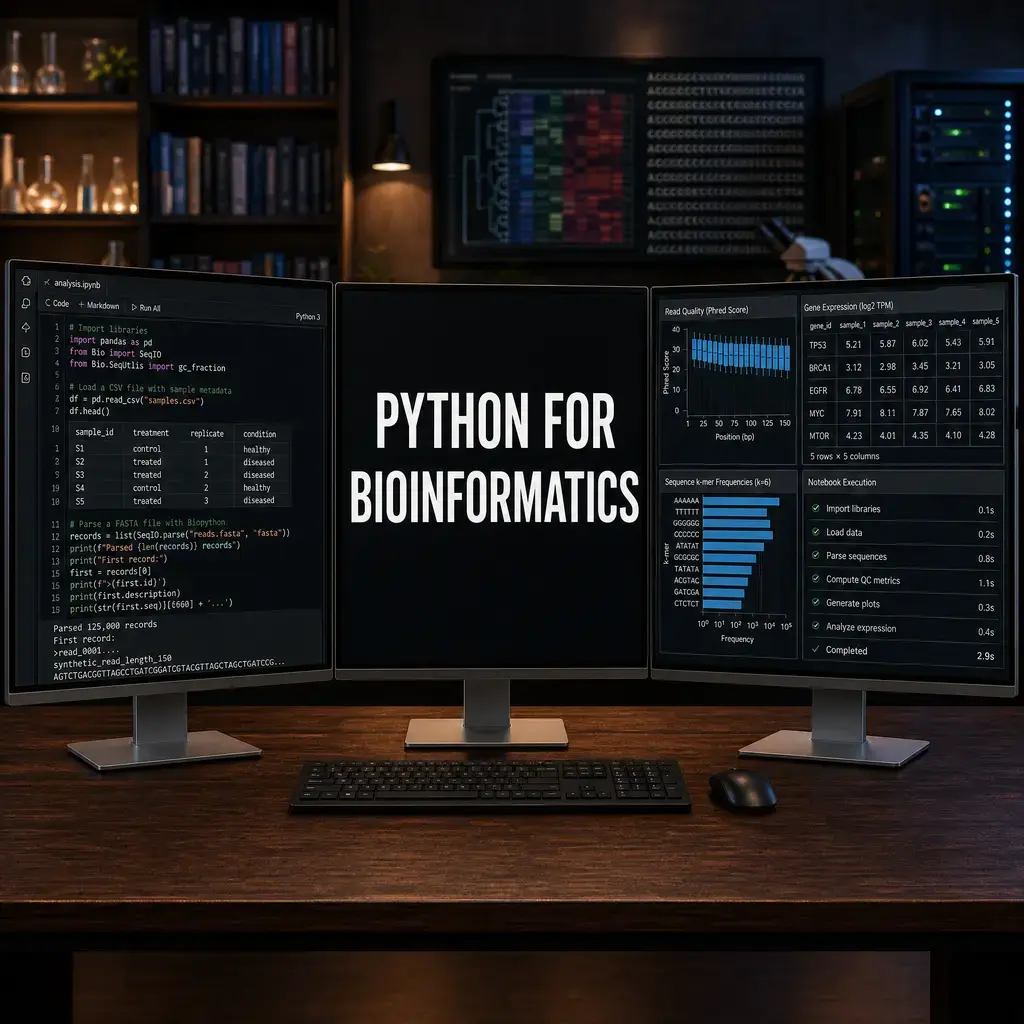
Learn Python variables, collections, functions, files, and simple sequence processing for bioinformatics.
Read More →
Learn R vectors, data frames, factors, plots, and tidy data operations for biological analysis.
Read More →
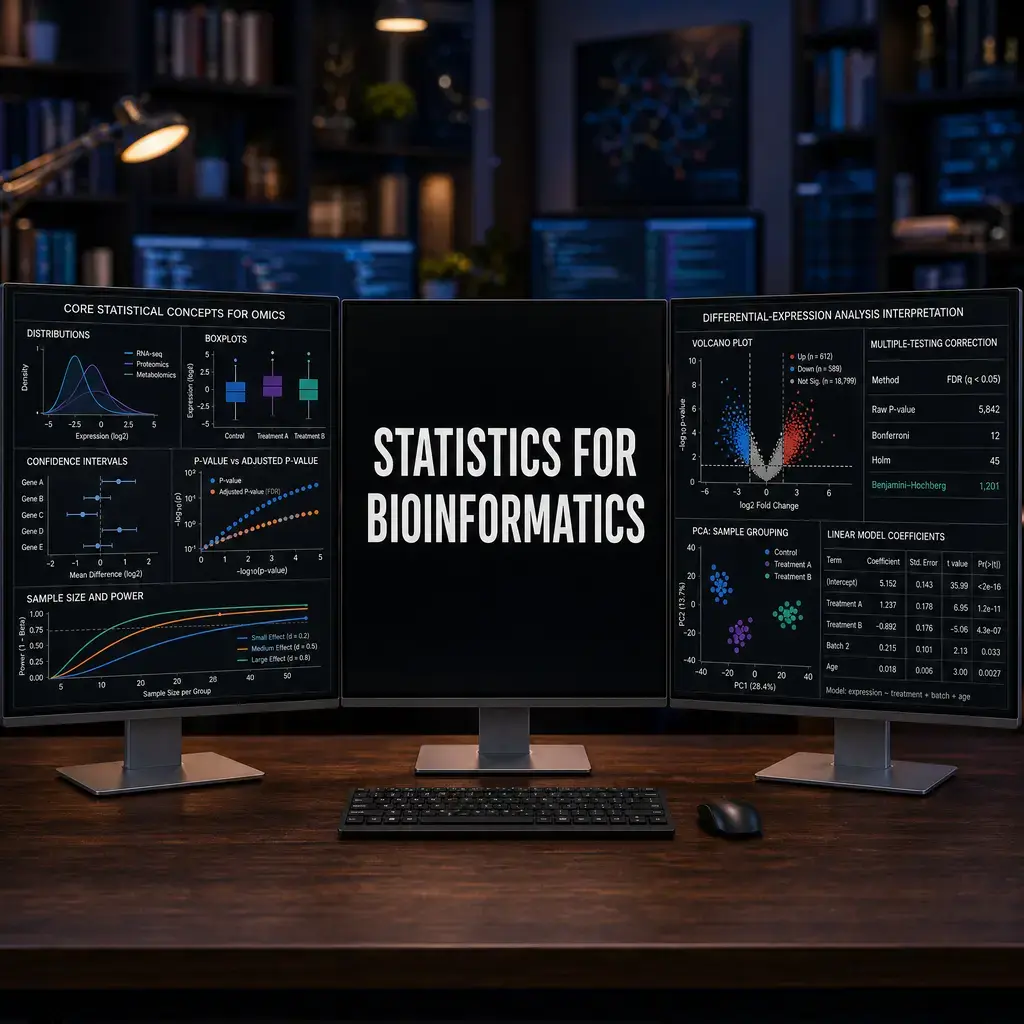
Learn distributions, replicates, effect sizes, multiple testing, and statistical power for biological data analysis.
Read More →
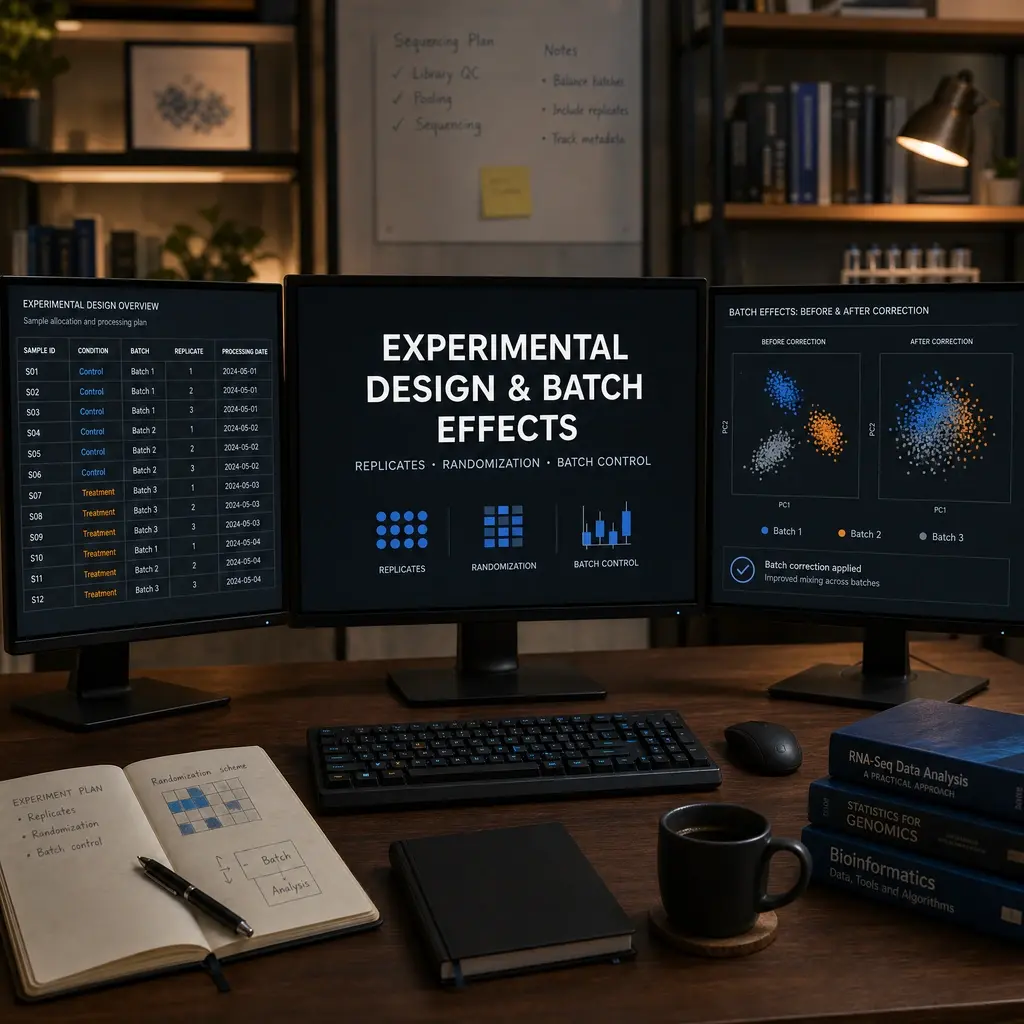
Plan biological replicates, record covariates, recognize confounding, and reduce batch effects before sequencing.
Read More →
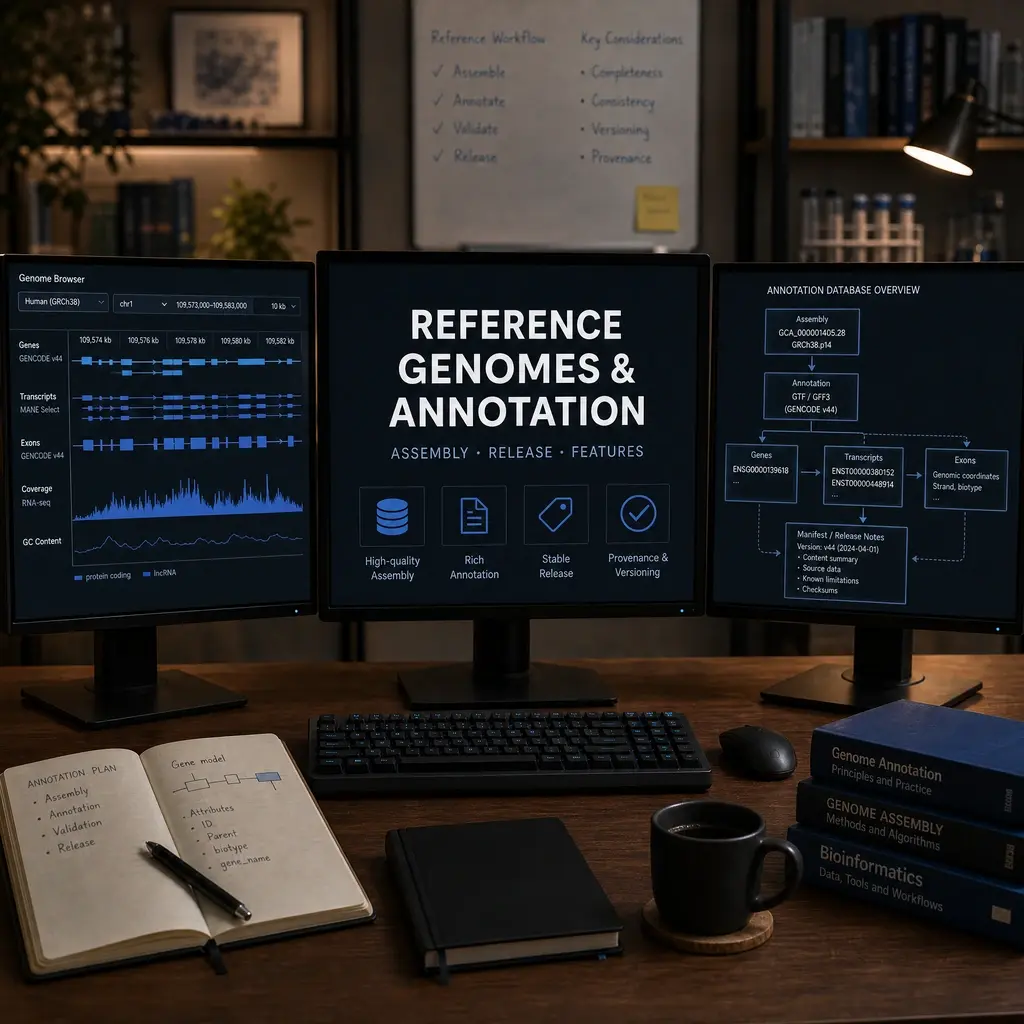
Choose genome builds, transcript versions, identifiers, and reproducible annotation sources for analysis.
Read More →
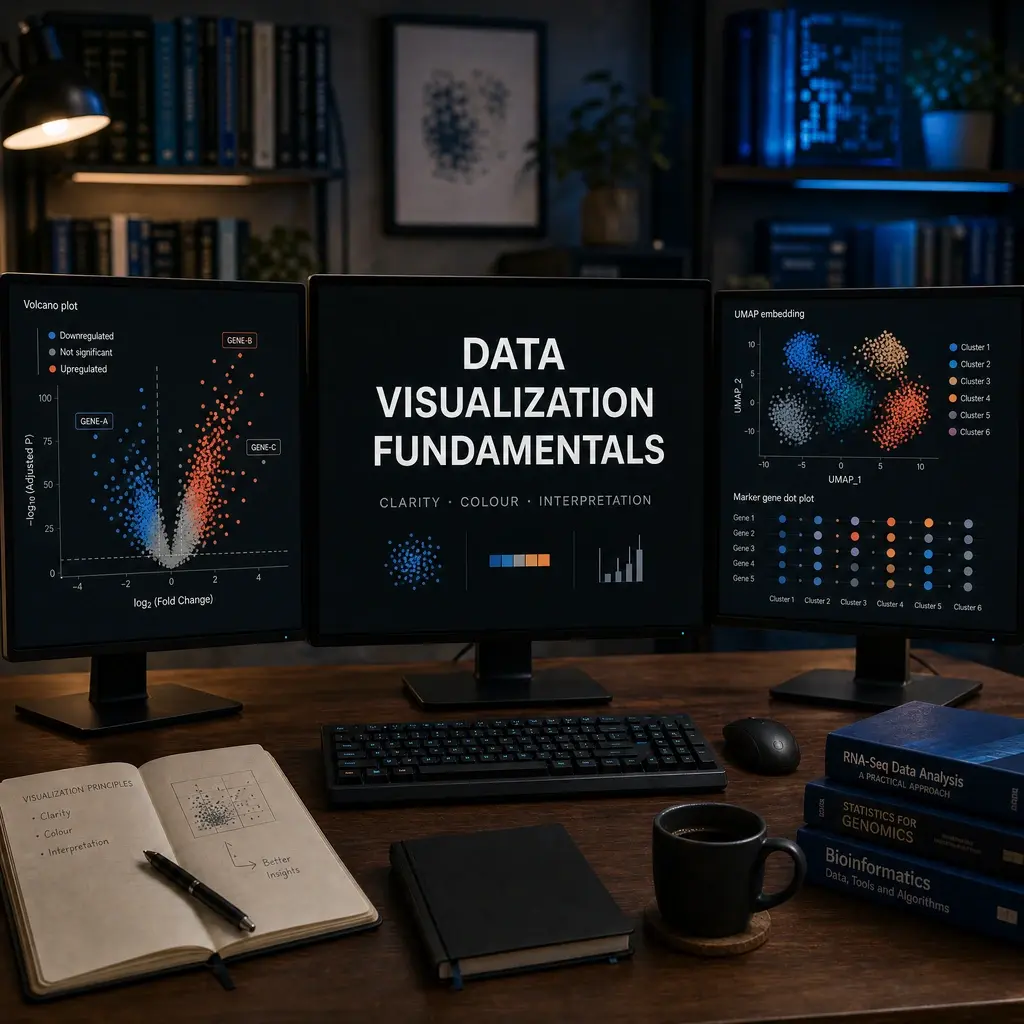
Read QC plots, PCA, heatmaps, UMAPs, and volcano plots without overstating biological conclusions.
Read More →
Organize data, scripts, results, logs, environments, and metadata into a reproducible bioinformatics project.
Read More →
Write reproducible methods, figure legends, limitations, and evidence-based biological interpretations.
Read More →
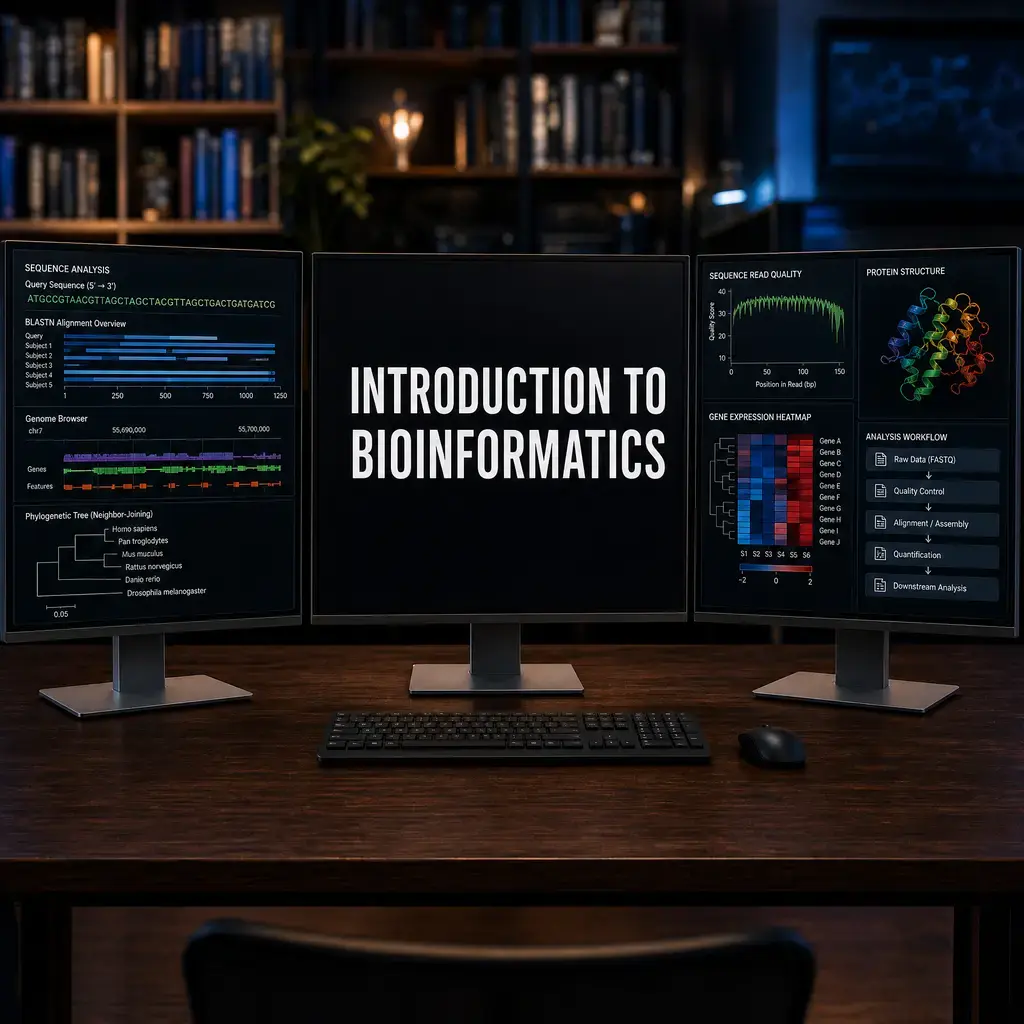
Learn the fundamentals of bioinformatics and discover how computational methods are revolutionizing biological research. This comprehensive tutorial covers basic concepts, essential tools, and practical workflows that every aspiring bioinformatician should know.
Read More →
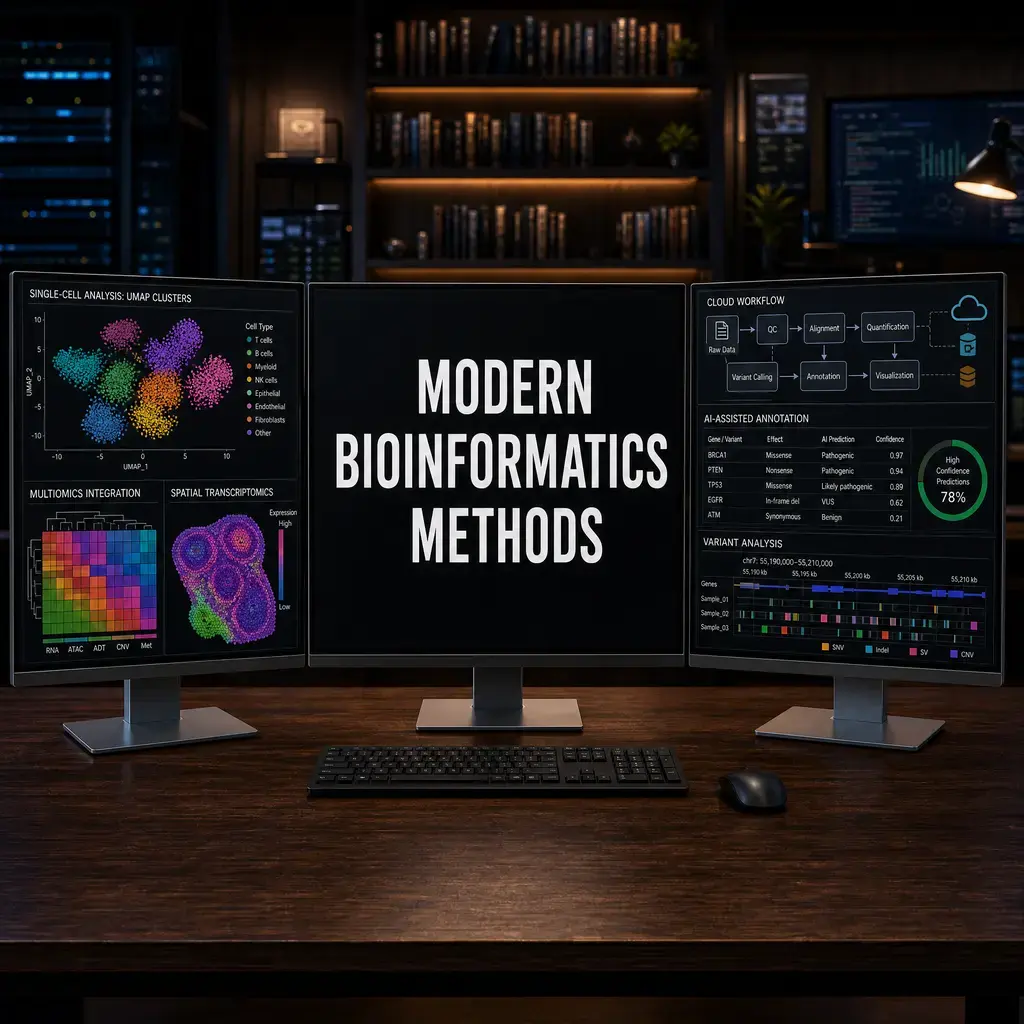
An evidence-based overview of the most impactful computational methods published in 2025-2026, covering single-cell foundation models, multi-omics integration, spatial transcriptomics, and long-read sequencing analysis.
Read More →
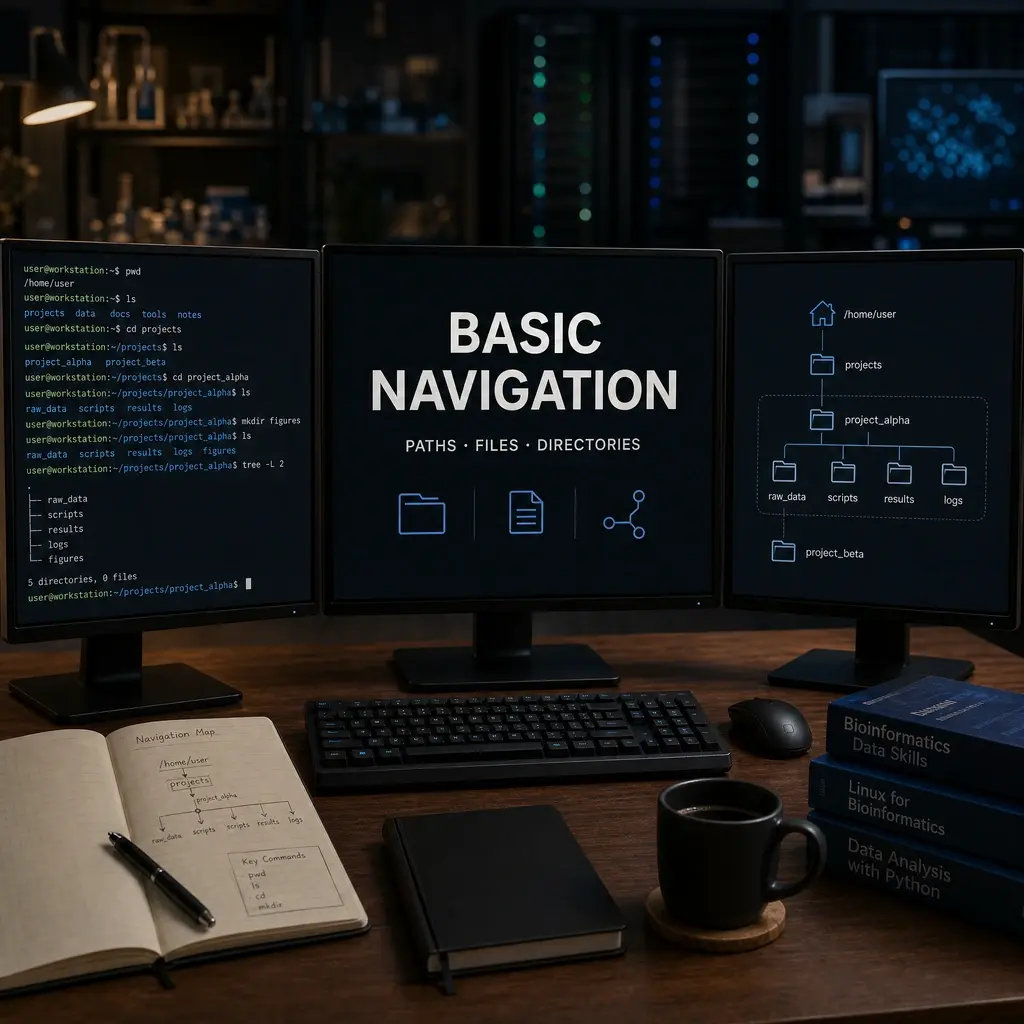
Learn essential Unix/Linux commands for navigating the file system, managing directories, and handling files, which form the foundation of every bioinformatics workflow.
Read More →
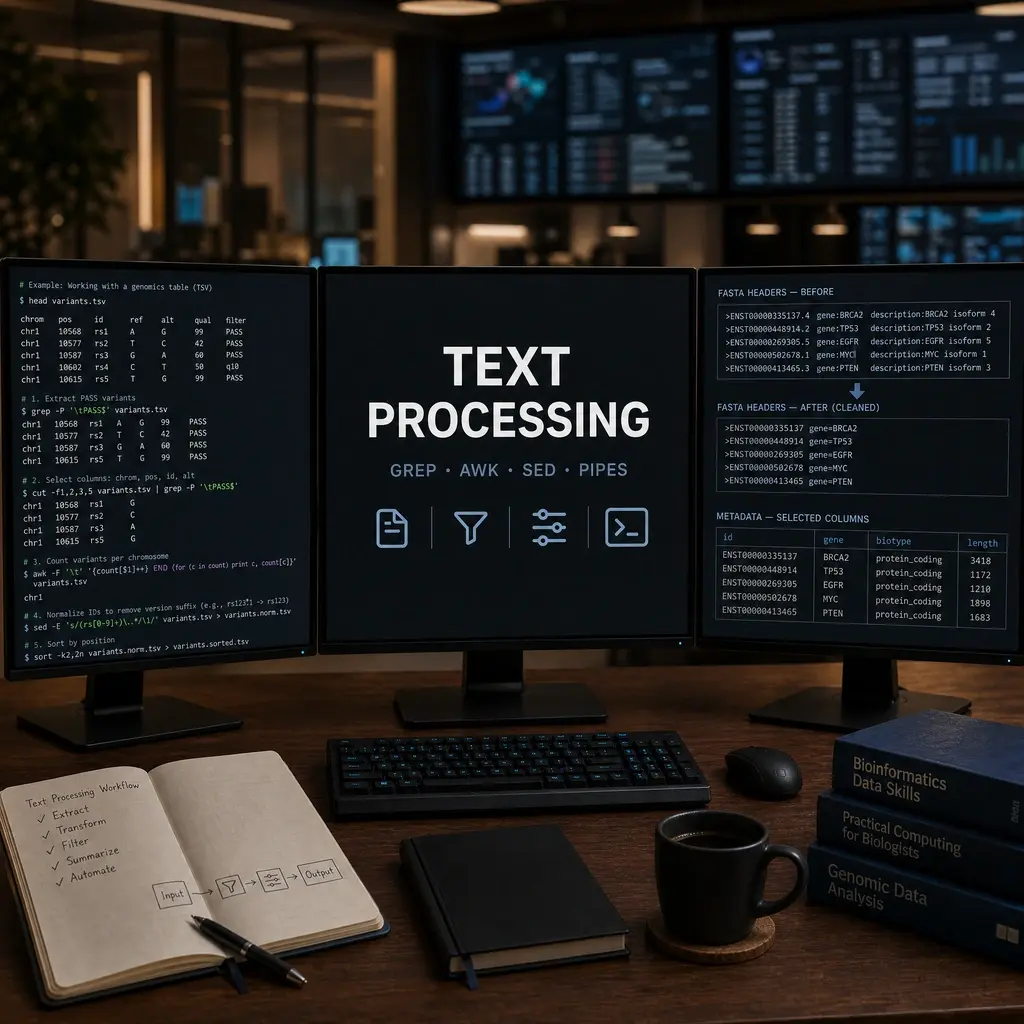
Master grep, sed, cut, and sort to filter, extract, and reshape biological data files directly from the command line.
Read More →
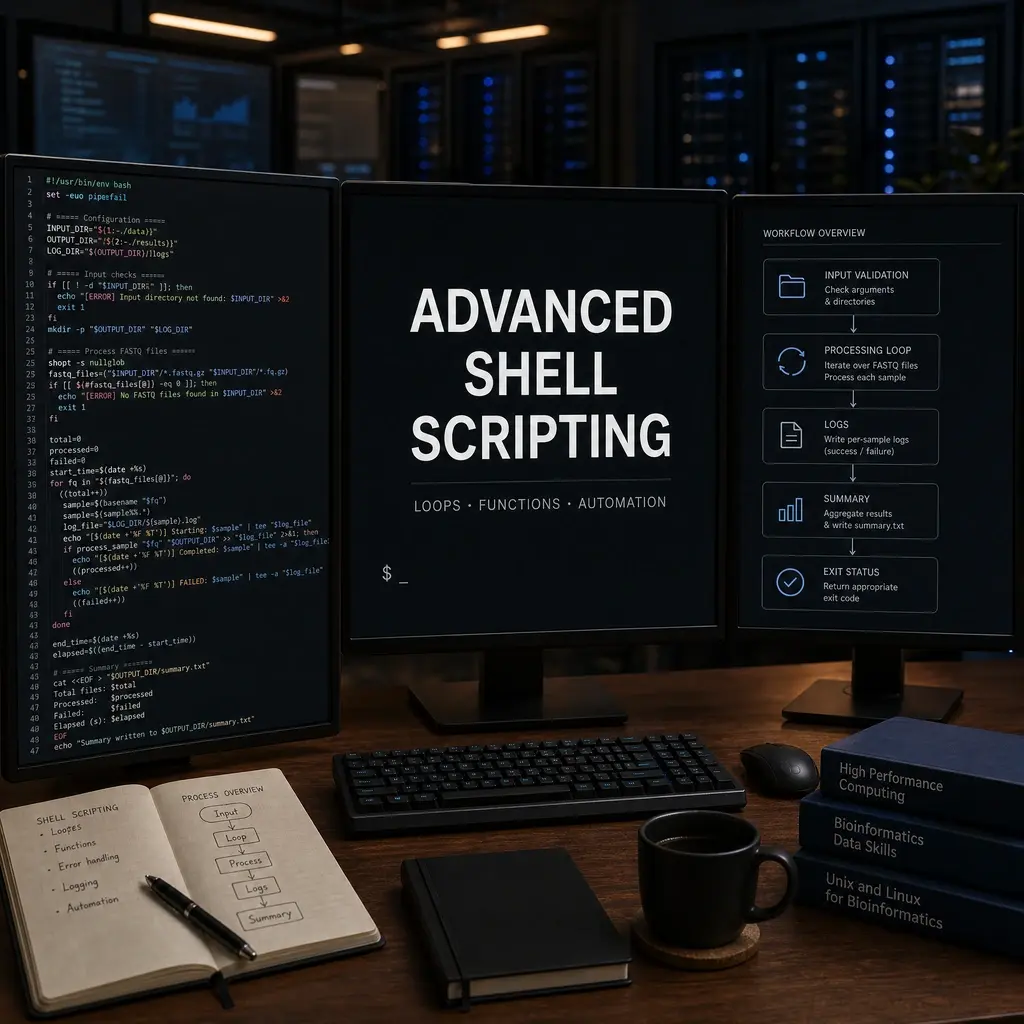
Build reusable bioinformatics pipelines using awk, pipes, redirects, and shell scripting best practices for reproducible research.
Read More →
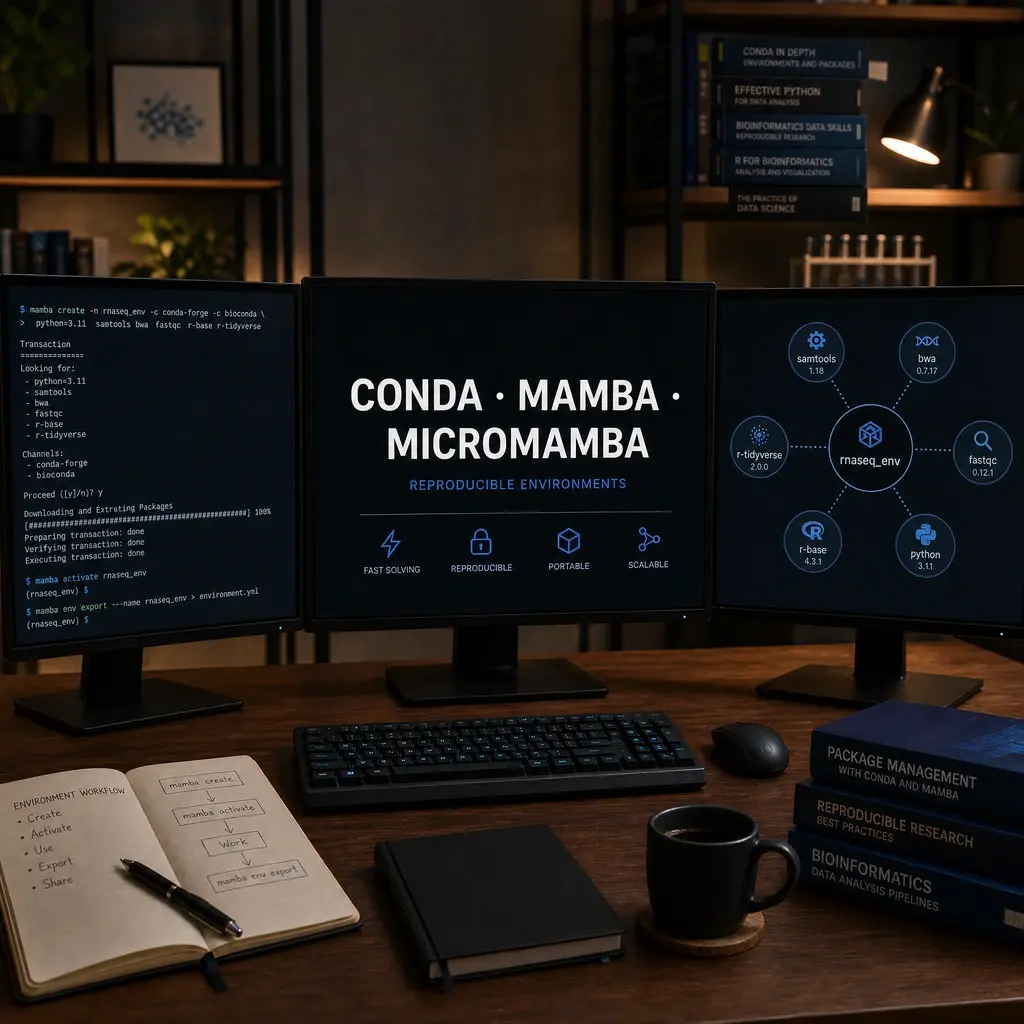
A complete guide to installing Conda and Mamba, creating isolated environments, and managing bioinformatics software to ensure fully reproducible analyses.
Read More →
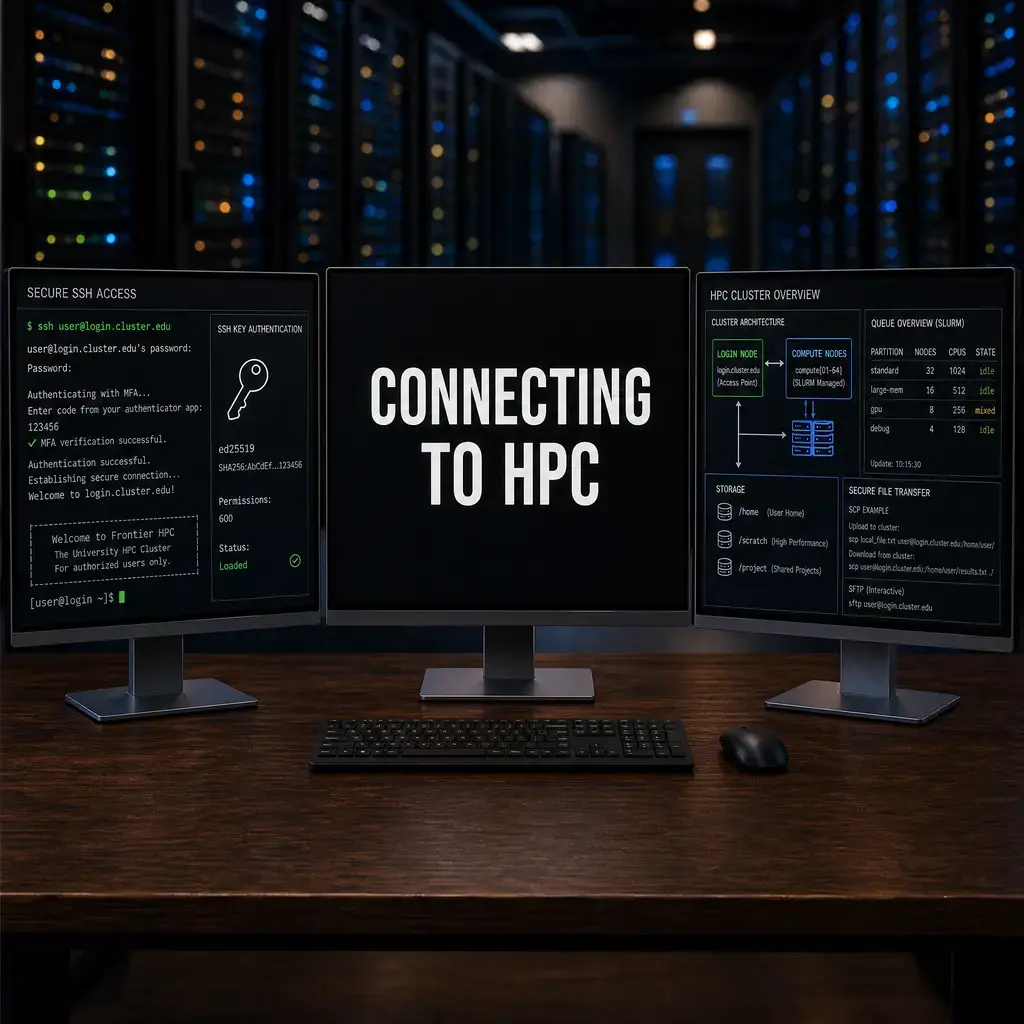
Set up secure SSH connections to remote HPC systems from Windows and macOS, configure MobaXterm for graphical access, and establish your working environment on the cluster.
Read More →
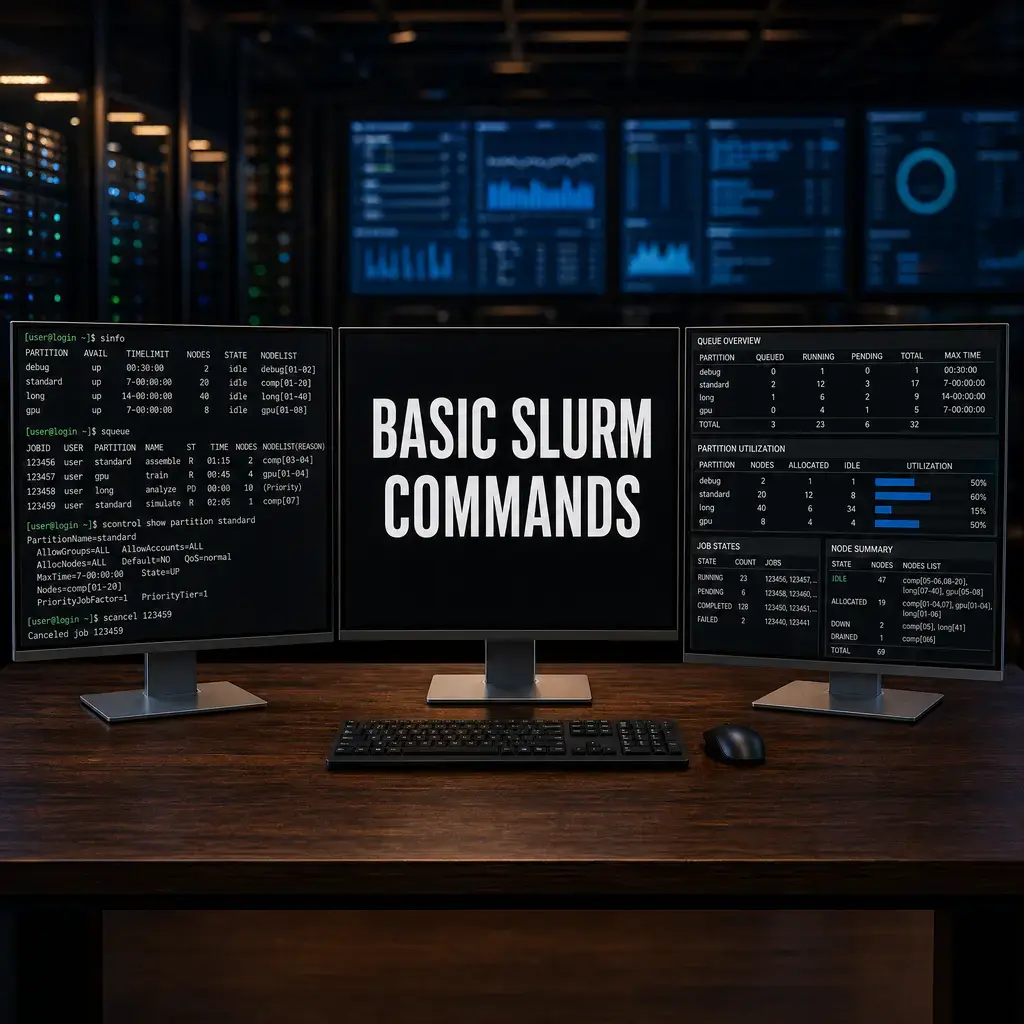
Learn to load software modules, inspect cluster partitions and nodes, monitor running jobs with squeue, and submit your first tasks on an HPC system.
Read More →
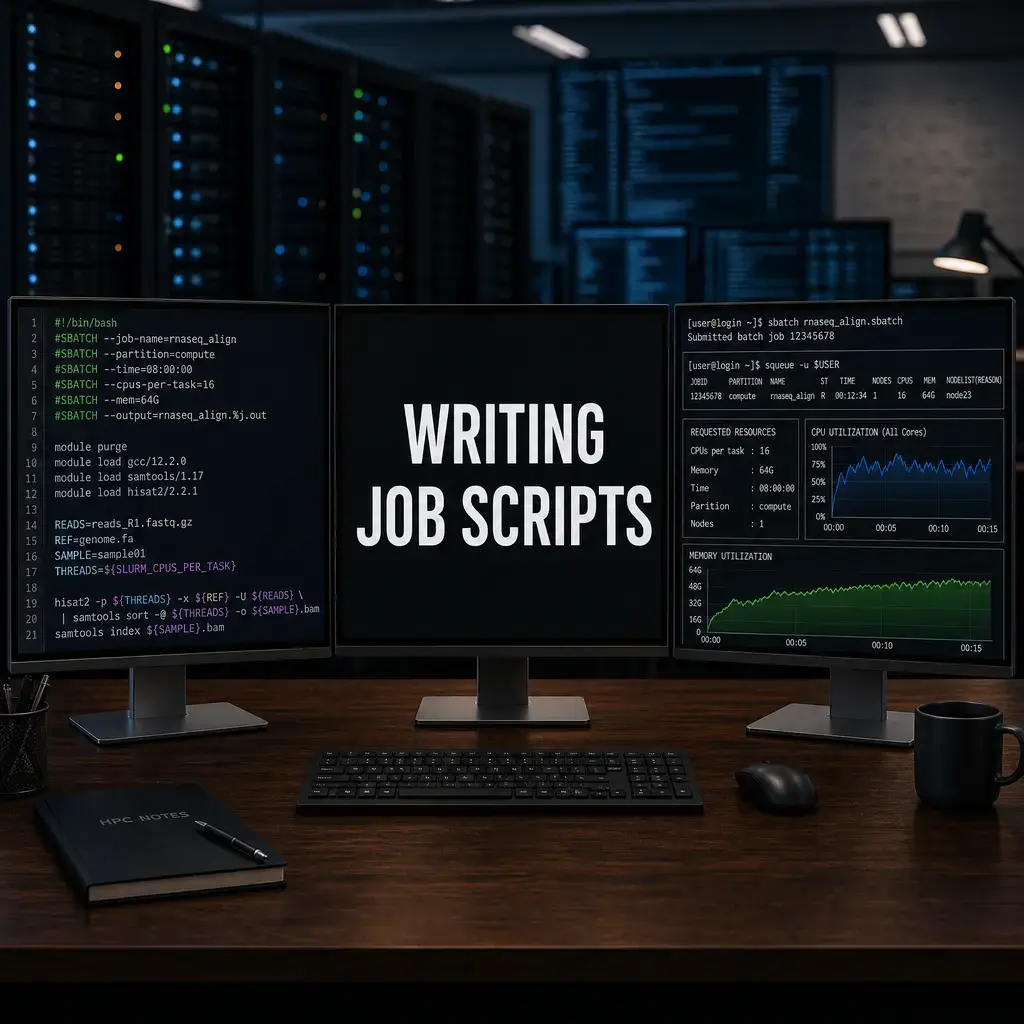
Learn how to write and submit Slurm batch scripts on HPC clusters, allocate compute resources efficiently, and run parallel jobs at scale.
Read More →
Learn how to diagnose common errors on HPC systems, use Slurm commands effectively, read error logs, and know when and how to contact cluster support.
Read More →
Learn how to transition from messy bash scripts to highly scalable, reproducible bioinformatics pipelines using Snakemake and Nextflow.
Read More →
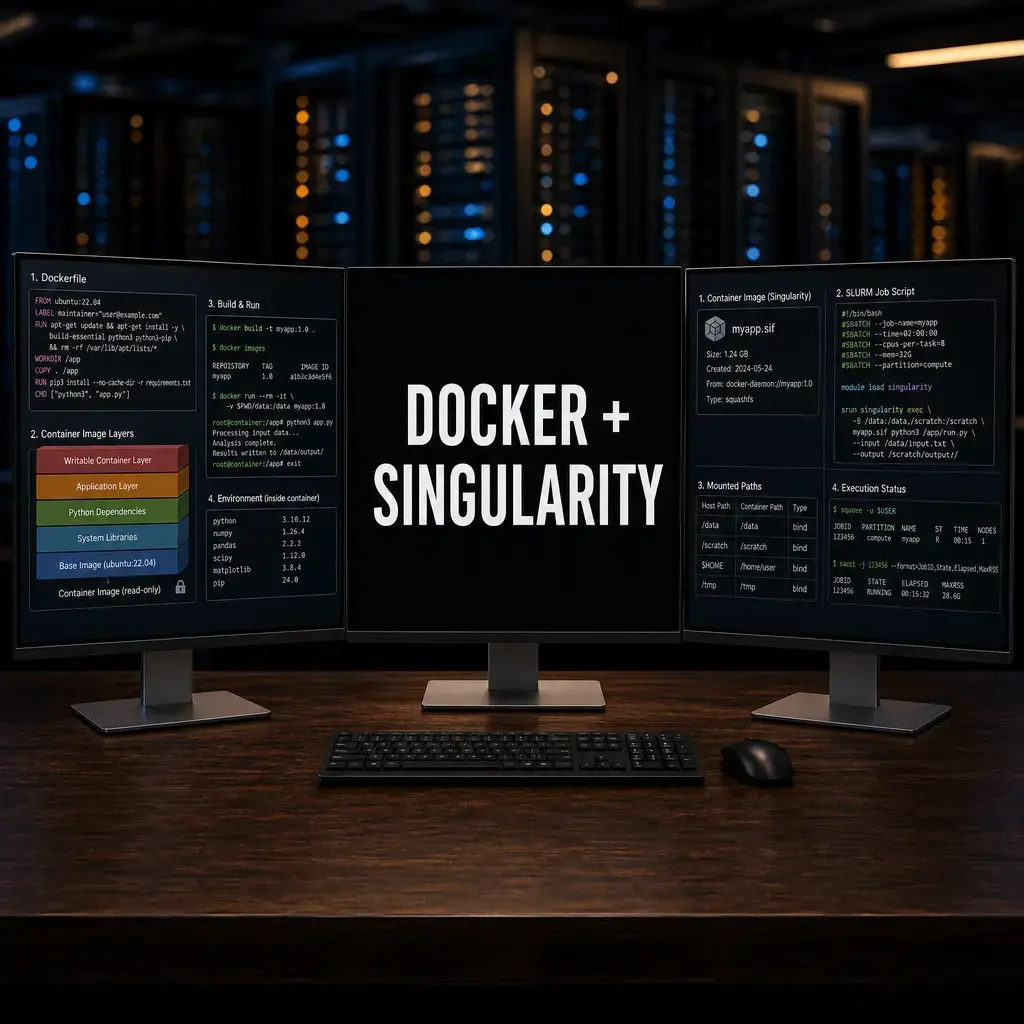
Understand how containerization solves the dependency hell of bioinformatics, focusing on Docker for local use and Singularity for HPC clusters.
Read More →
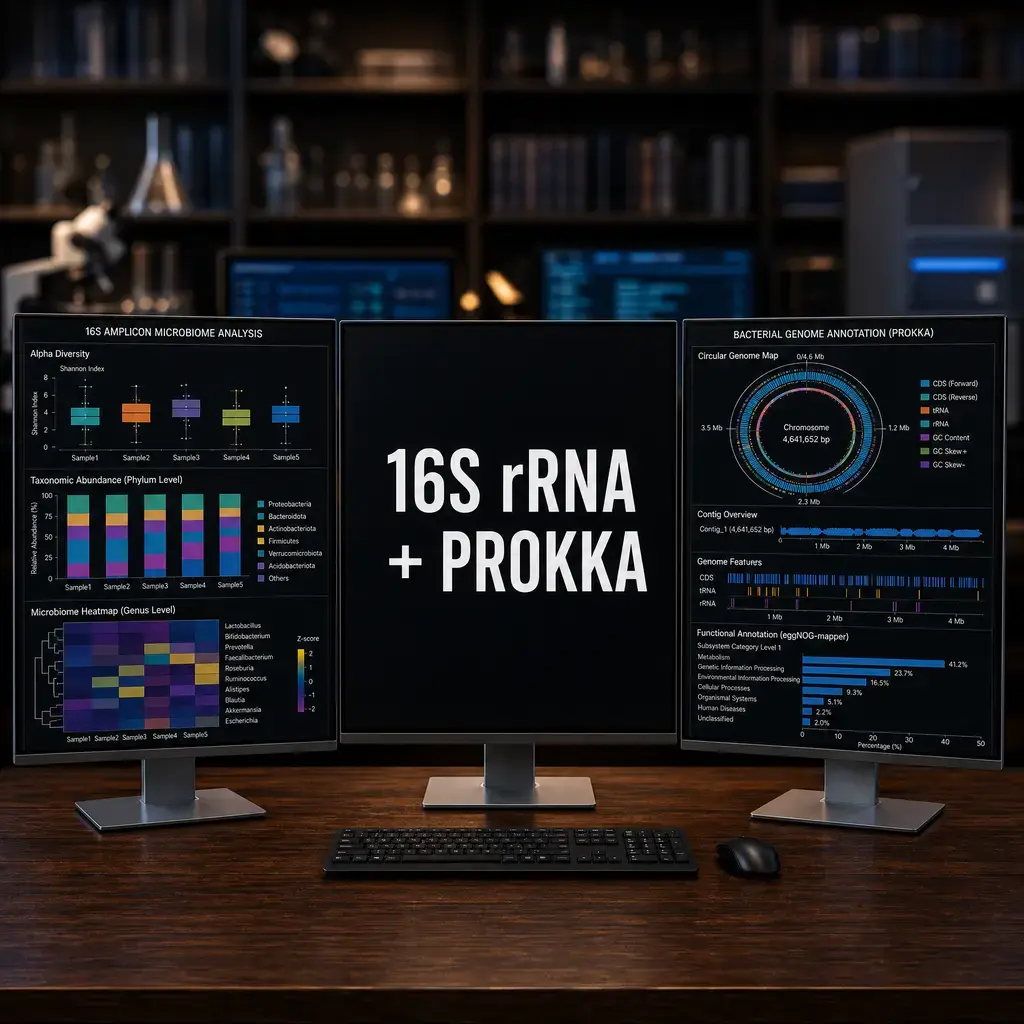
Learn the fundamentals of 16S rRNA amplicon sequencing techniques and how to perform rapid prokaryotic genome annotation using PROKKA.
Read More →
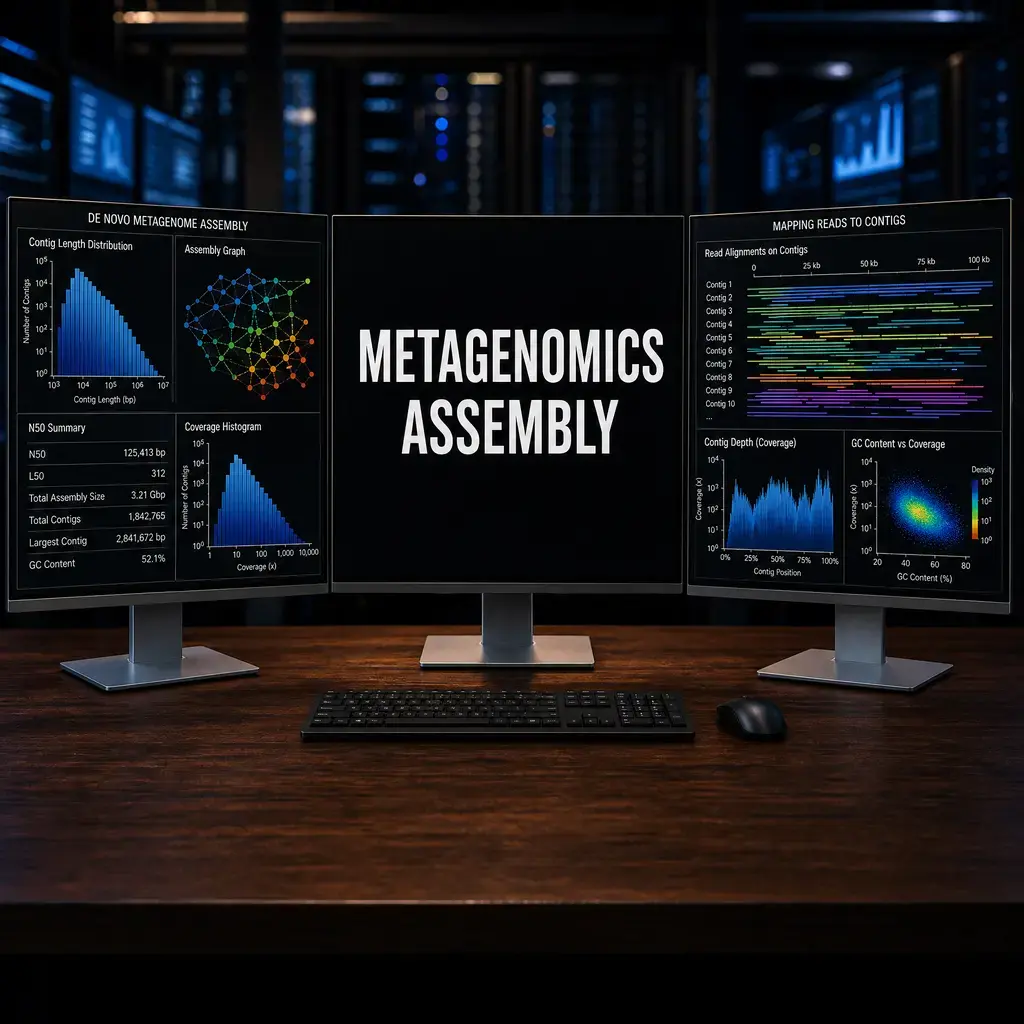
A hands-on guide to metagenomic pipelines, covering de novo assembly with SPAdes, mapping reads with BWA, and visualizing genomic alignments in IGV.
Read More →
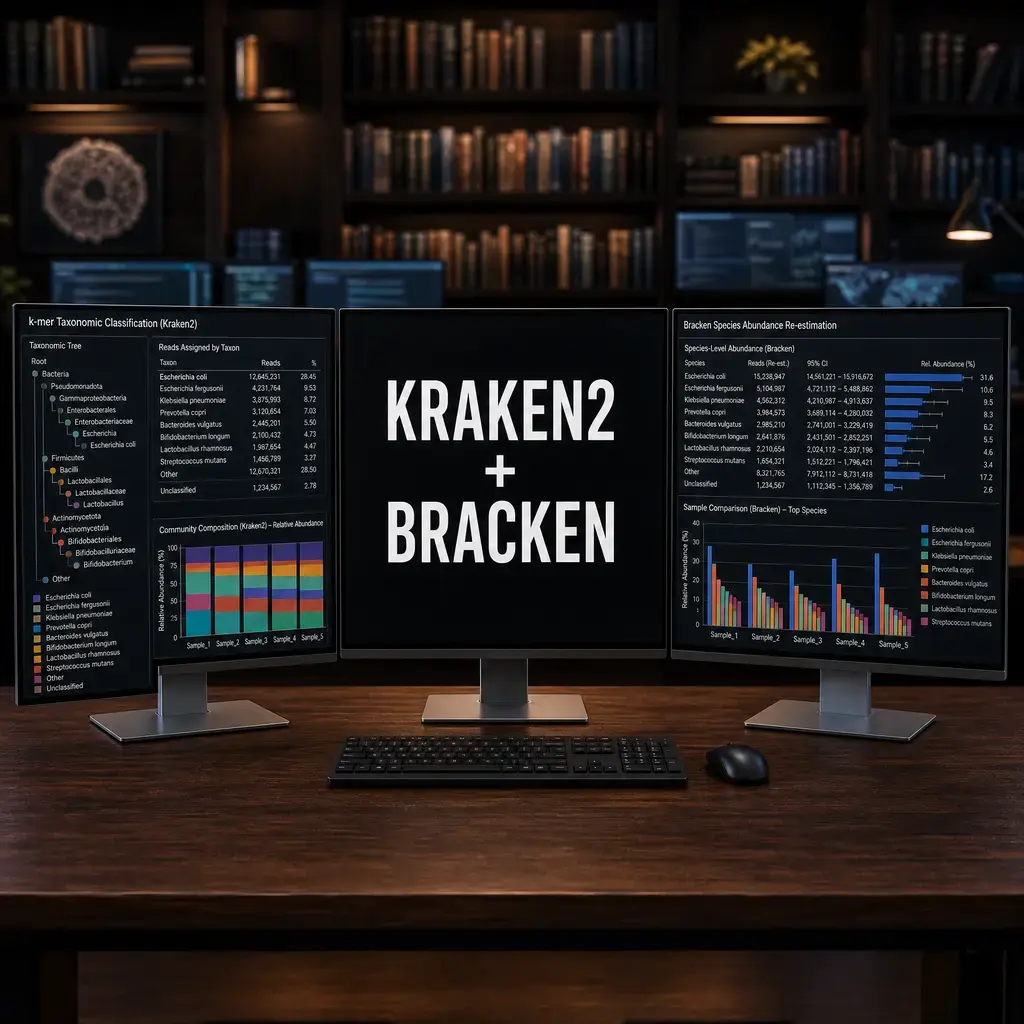
Learn how to perform ultra-fast taxonomic classification of shotgun metagenomic reads using the k-mer based algorithms Kraken2 and Bracken.
Read More →
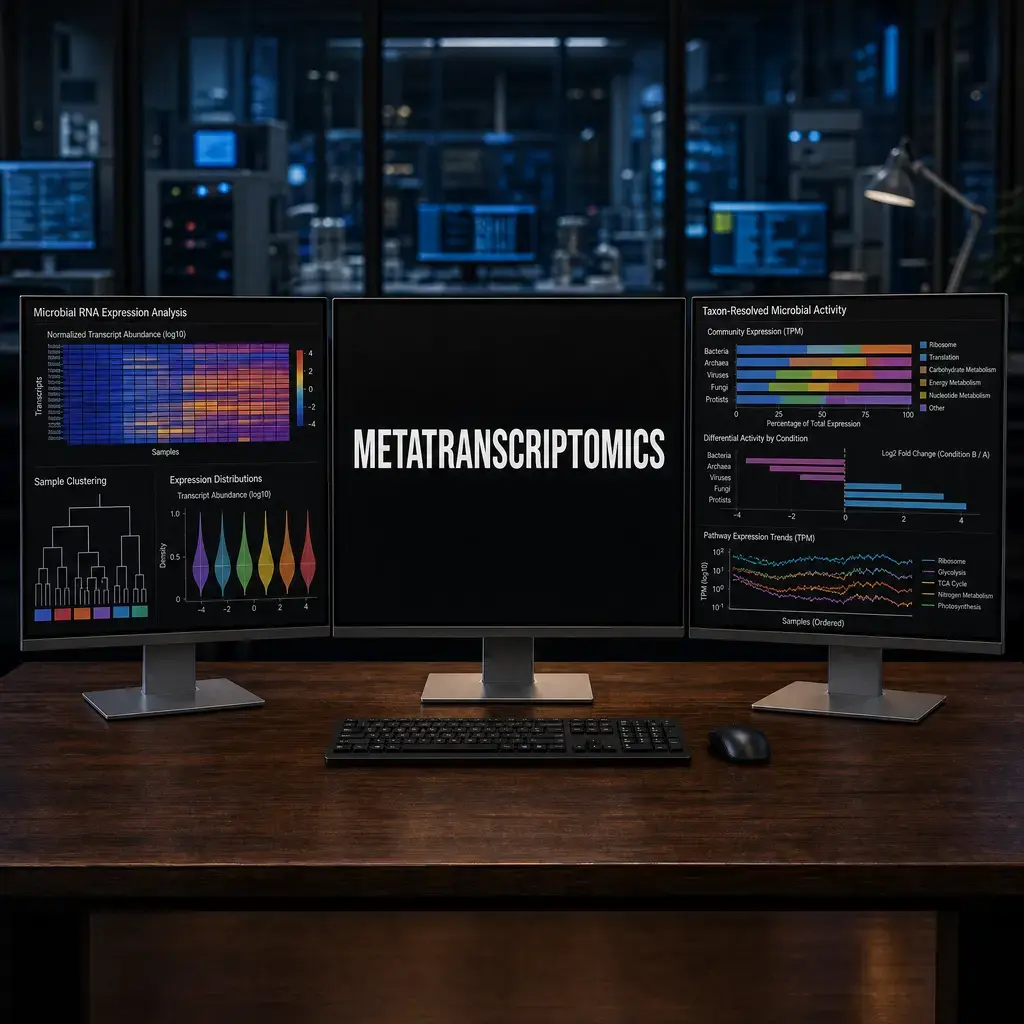
A guide to analyzing metatranscriptomic data, distinguishing active from dormant microbes, and using modern tools like HUMAnN3 and SAMSA2.
Read More →
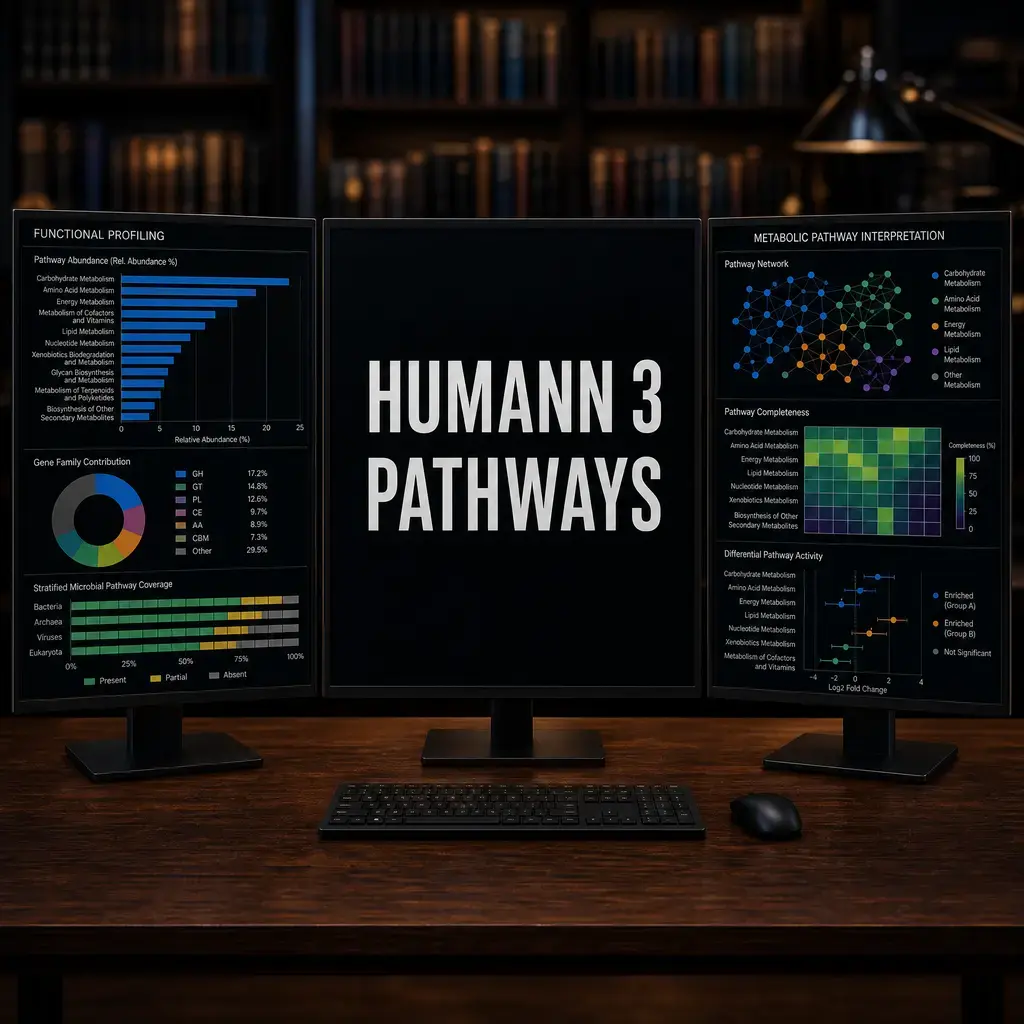
Dive deep into metatranscriptomics by mapping active RNA transcripts to complete metabolic pathways using HUMAnN 3 and the MetaCyc database.
Read More →
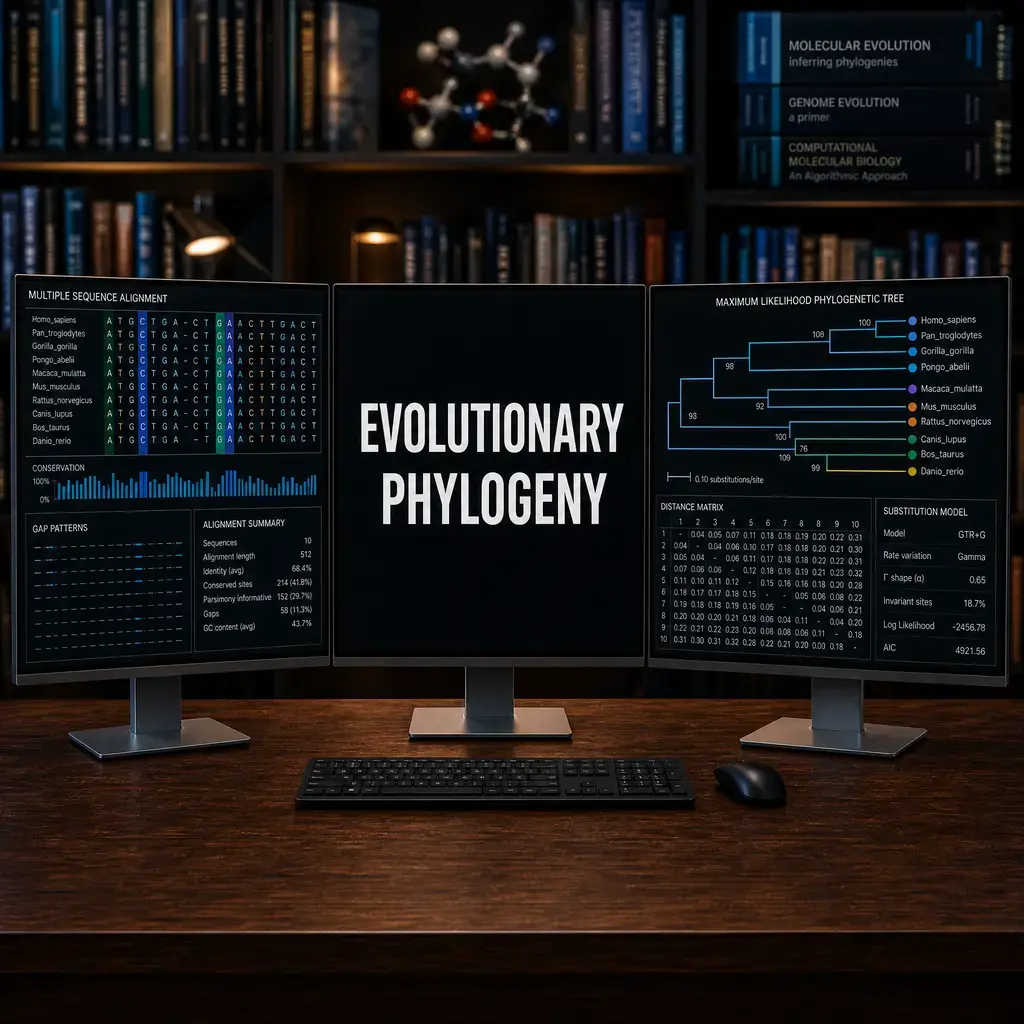
A comprehensive guide to evolutionary analysis, covering multiple sequence alignment with Kalign, tree construction, and using MEGA via the command line.
Read More →
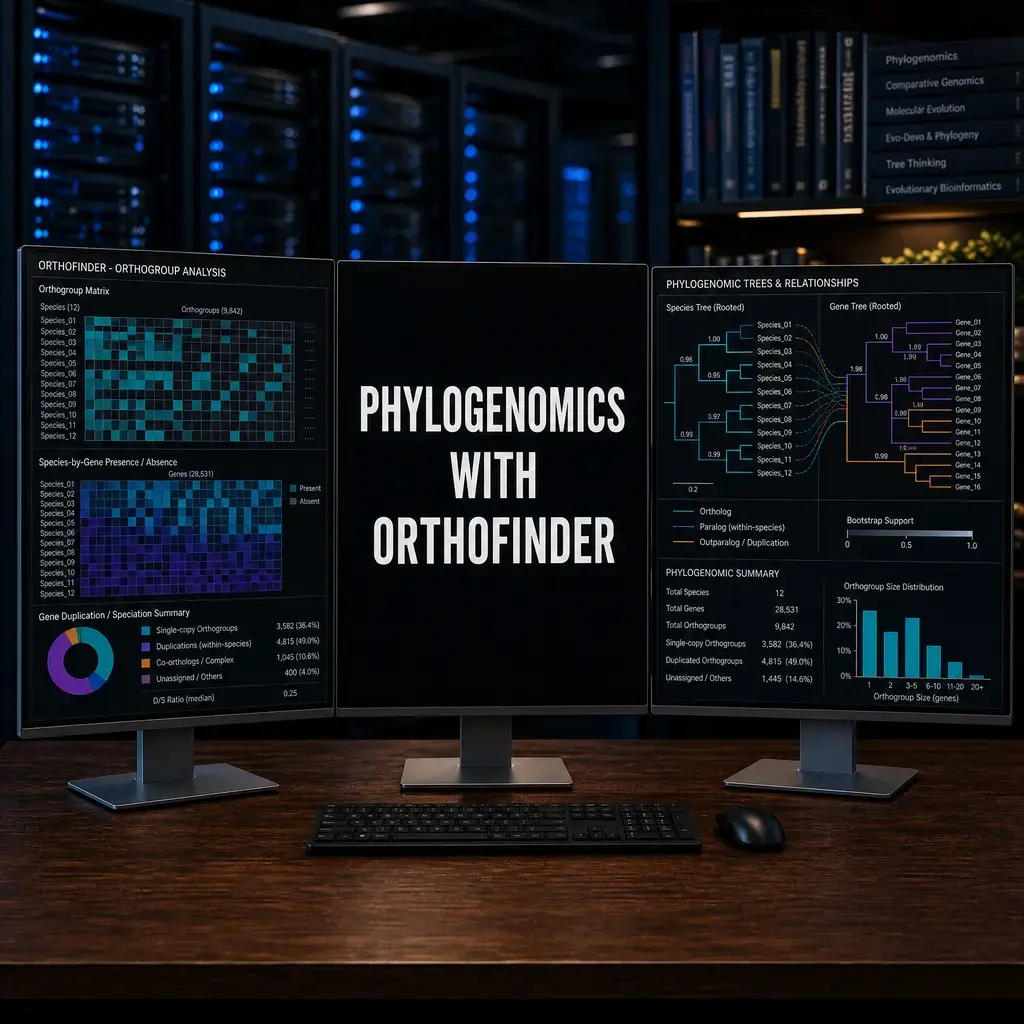
Scale up from single-gene phylogeny to whole-genome phylogenomics by identifying orthogroups and constructing species trees using OrthoFinder.
Read More →
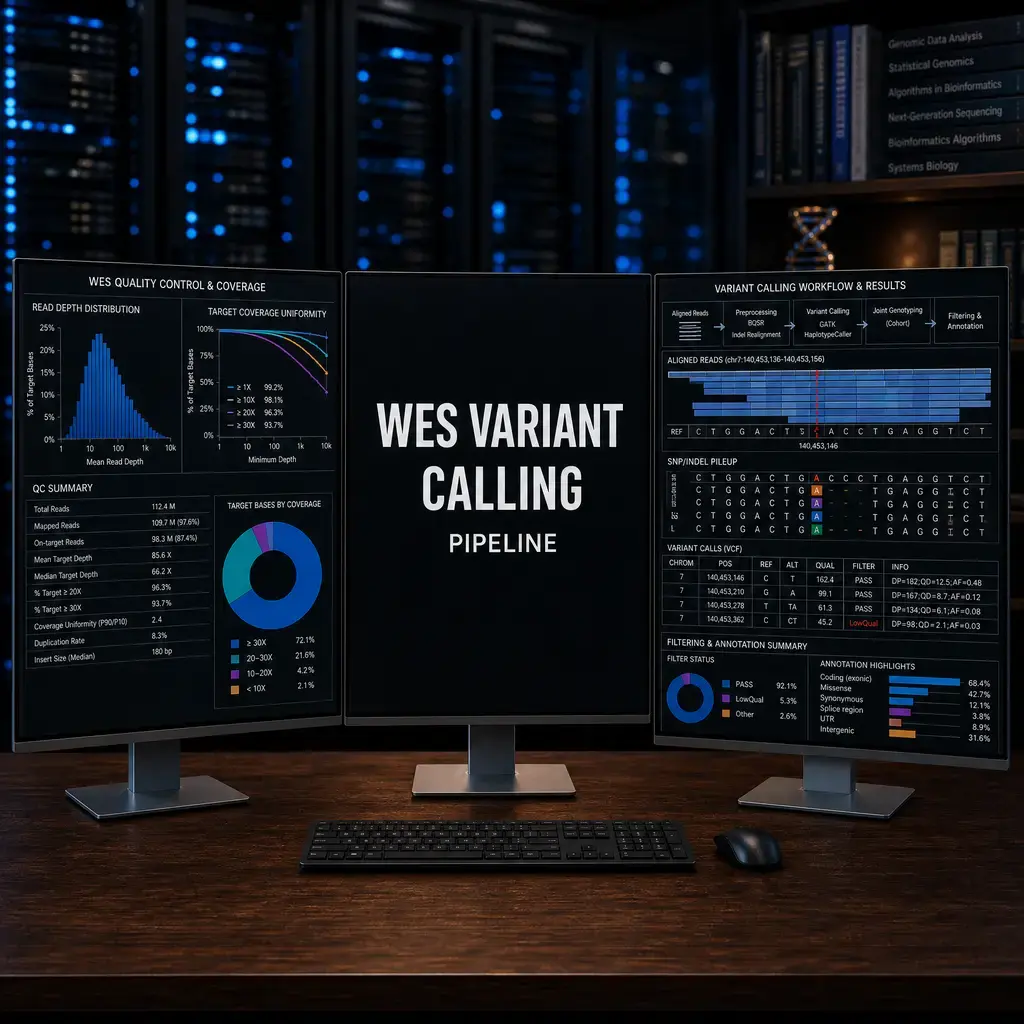
A comprehensive guide to Whole Exome Sequencing (WES) analysis, covering read alignment, variant calling, LiftOver, and Variant Allele Frequency (VAF) calculations.
Read More →
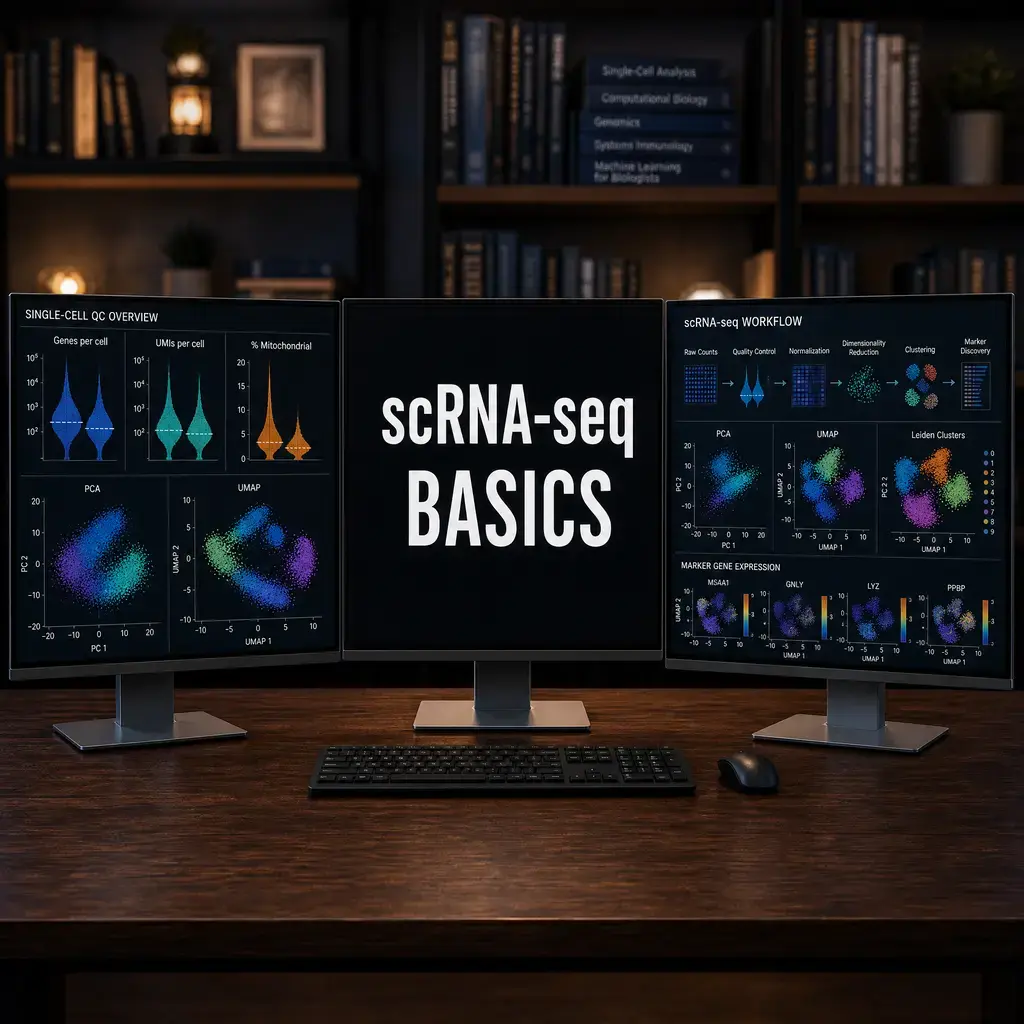
A complete, production-ready single-cell RNA-seq pipeline demonstrating both Python (Scanpy) and R (Seurat) workflows. Covers standard QC, PCA, UMAP, and Leiden/Louvain clustering.
Read More →
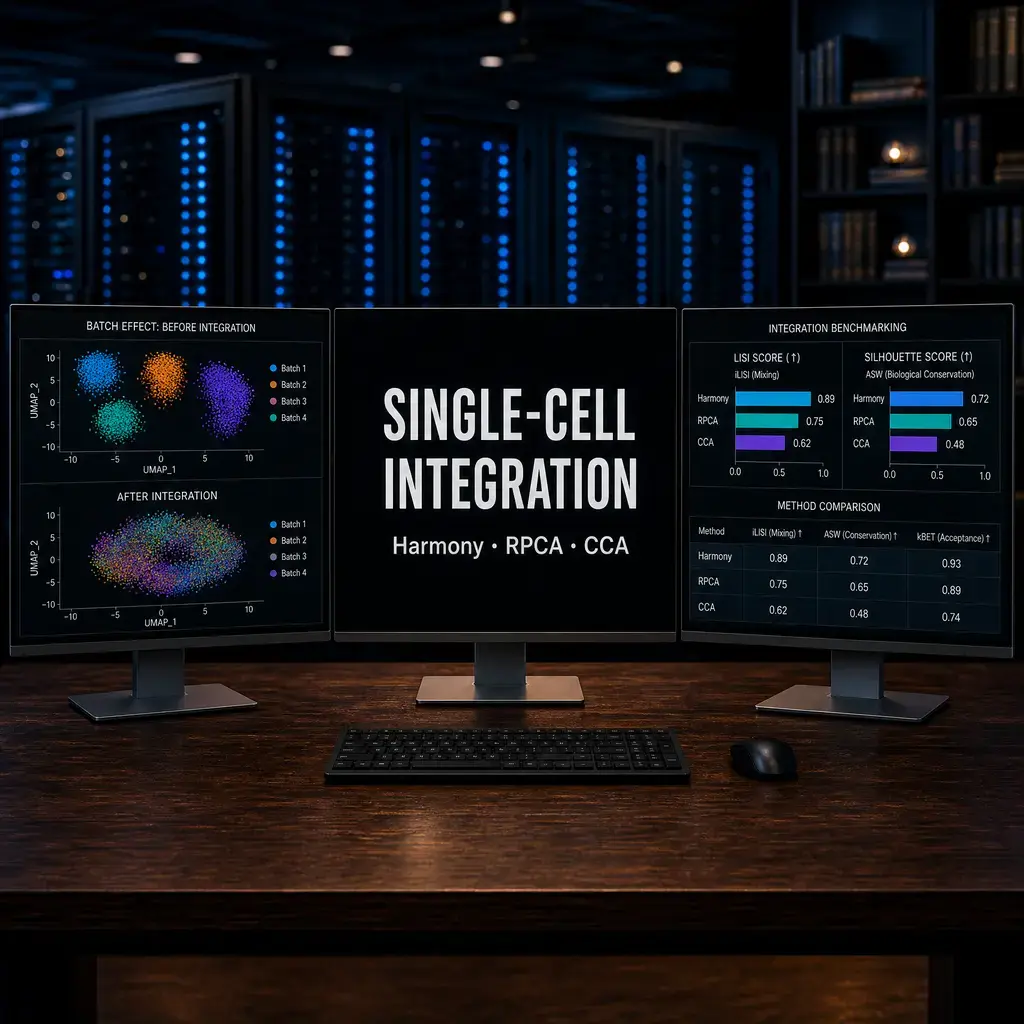
A deep dive into resolving batch effects in single-cell data, comparing the mathematical approaches of Harmony, RPCA, and CCA for complex dataset integration.
Read More →
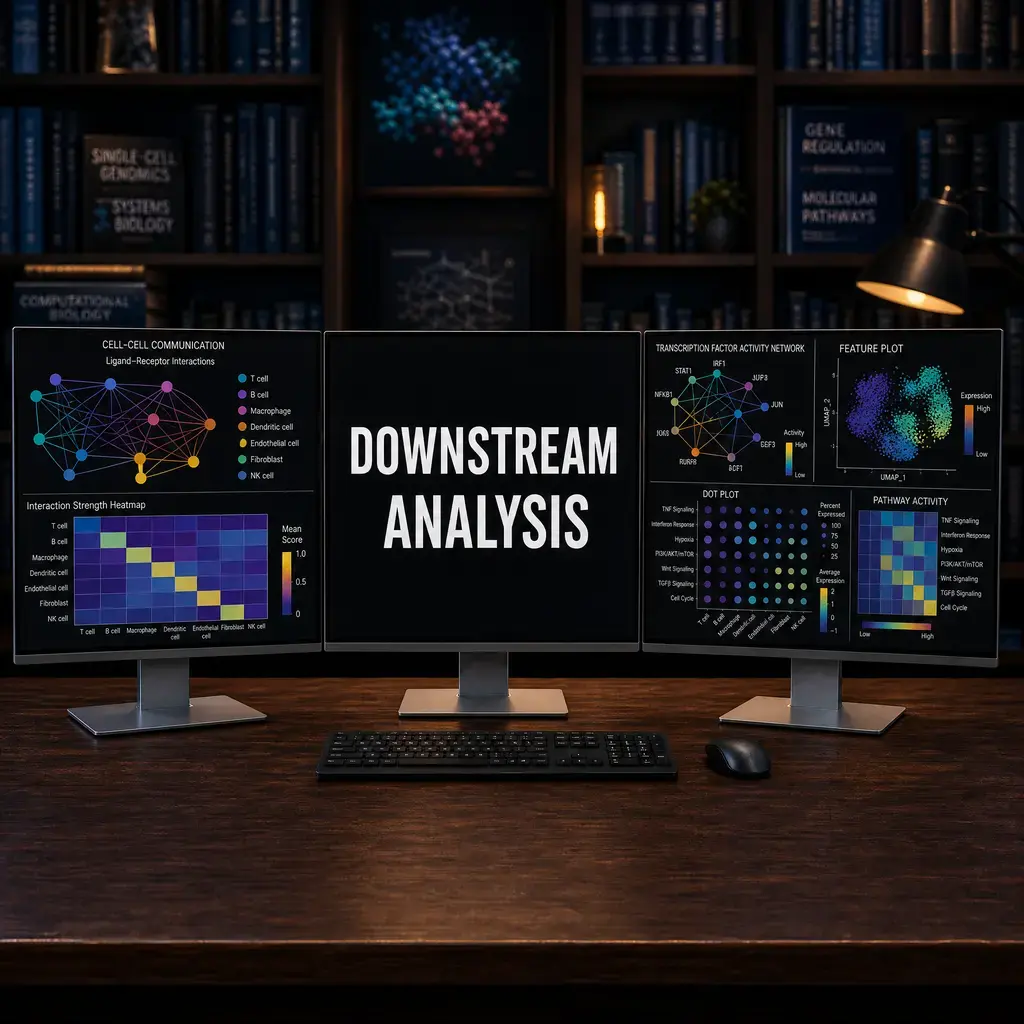
Explore foundational advanced downstream analyses: mapping cell-cell communication networks, inferring Transcription Factor (TF) activities, and generating publication-ready plots (SCpubr).
Read More →
Learn the basics of inferring cellular trajectories and pseudotime using industry-standard tools like PAGA in Python and Monocle3/Slingshot in R.
Read More →
A comprehensive pipeline for performing differential gene expression (DGE) analysis using DESeq2 for bulk RNA-seq and adapting it for modern pseudobulk scRNA-seq approaches.
Read More →
Learn how to mathematically prove that your batch integration worked and your clusters are robust using LISI and Silhouette scores, rather than relying on subjective UMAP visuals.

Read More →
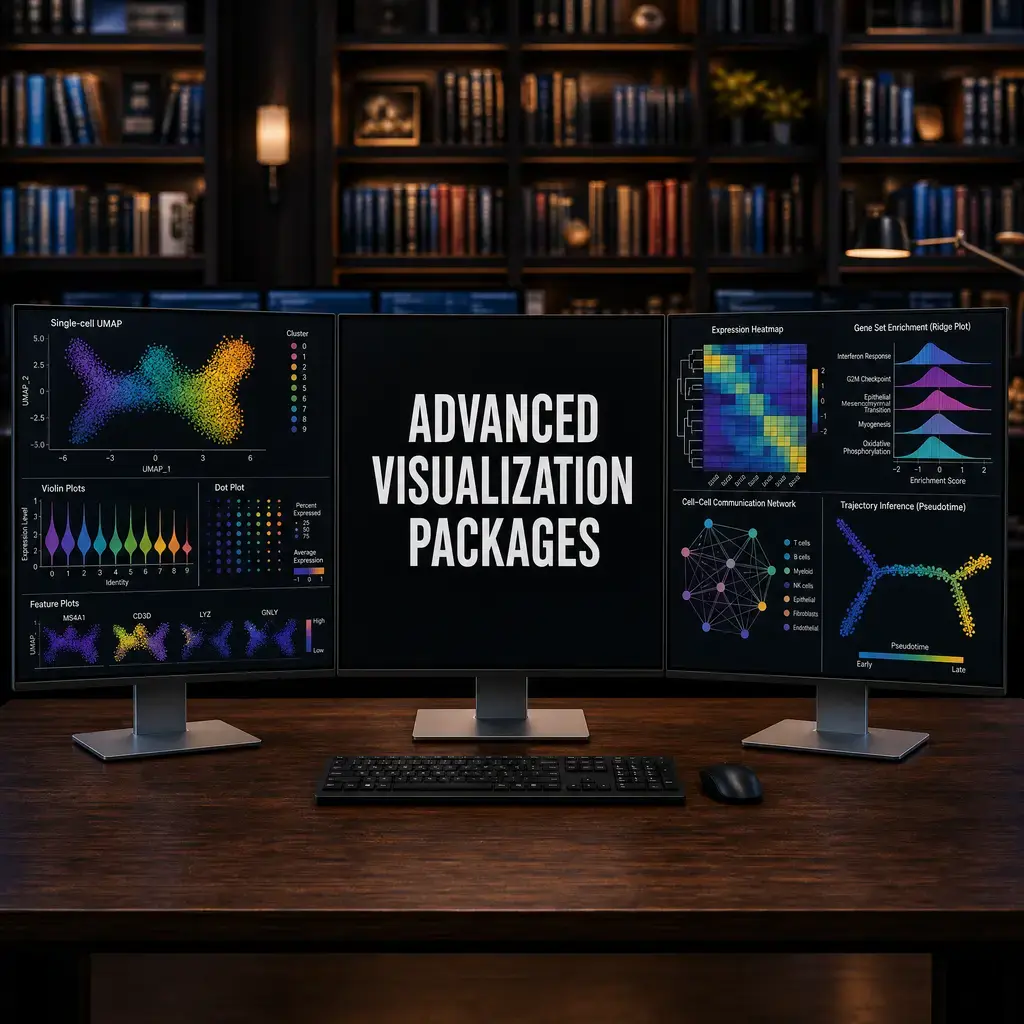
A masterclass in transforming basic Seurat plots into premium, publication-ready figures using an arsenal of modern R packages including SCpubr, scplotter, scCustomize, SeuratExtend, dittoSeq, and SCP.
Read More →
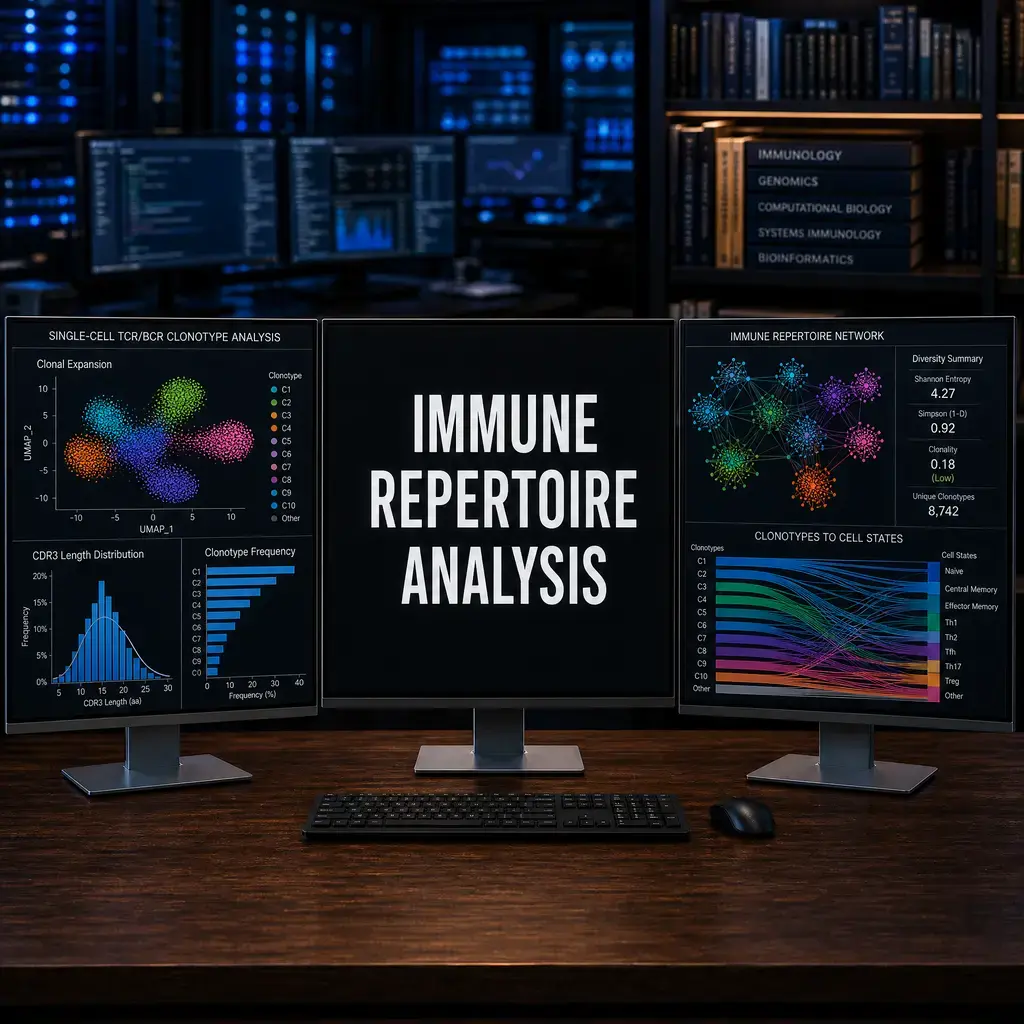
A guide to analyzing T-cell and B-cell receptor (TCR/BCR) repertoires from single-cell data using scRepertoire to track clonal expansion in diseases like Sézary Syndrome.
Read More →
Learn how to infer cell-to-cell signaling networks from scRNA-seq data using state-of-the-art tools like LIANA and CellChat.
Read More →
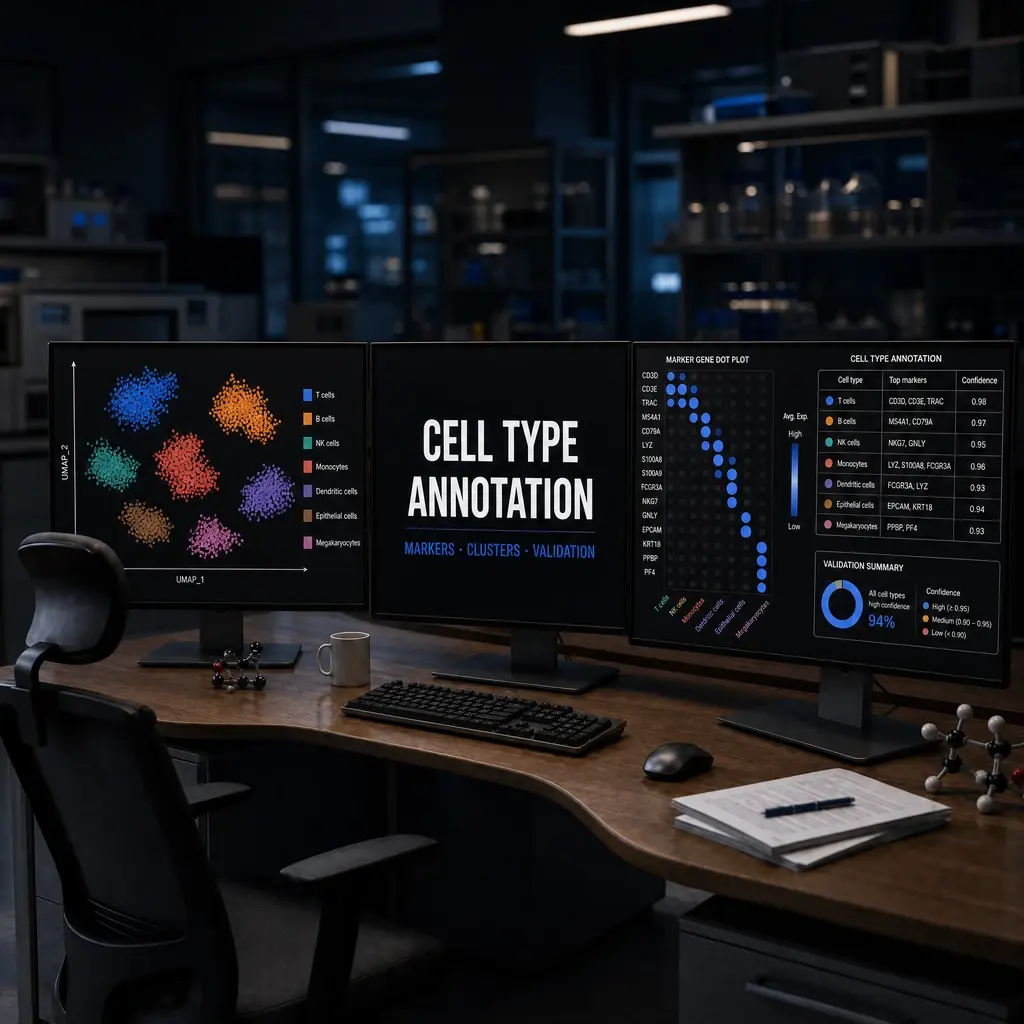
A complete guide to automated cell type annotation, comparing 6 standard algorithmic methods (SingleR, scCATCH, scmap, etc.) with the cutting-edge AI multi-agent LLM framework CyteTypeR.
Read More →
Move beyond manual marker gene checking. Discover how advanced AI and machine learning tools like CellTypist and Cellama are revolutionizing automated cell type annotation.
Read More →
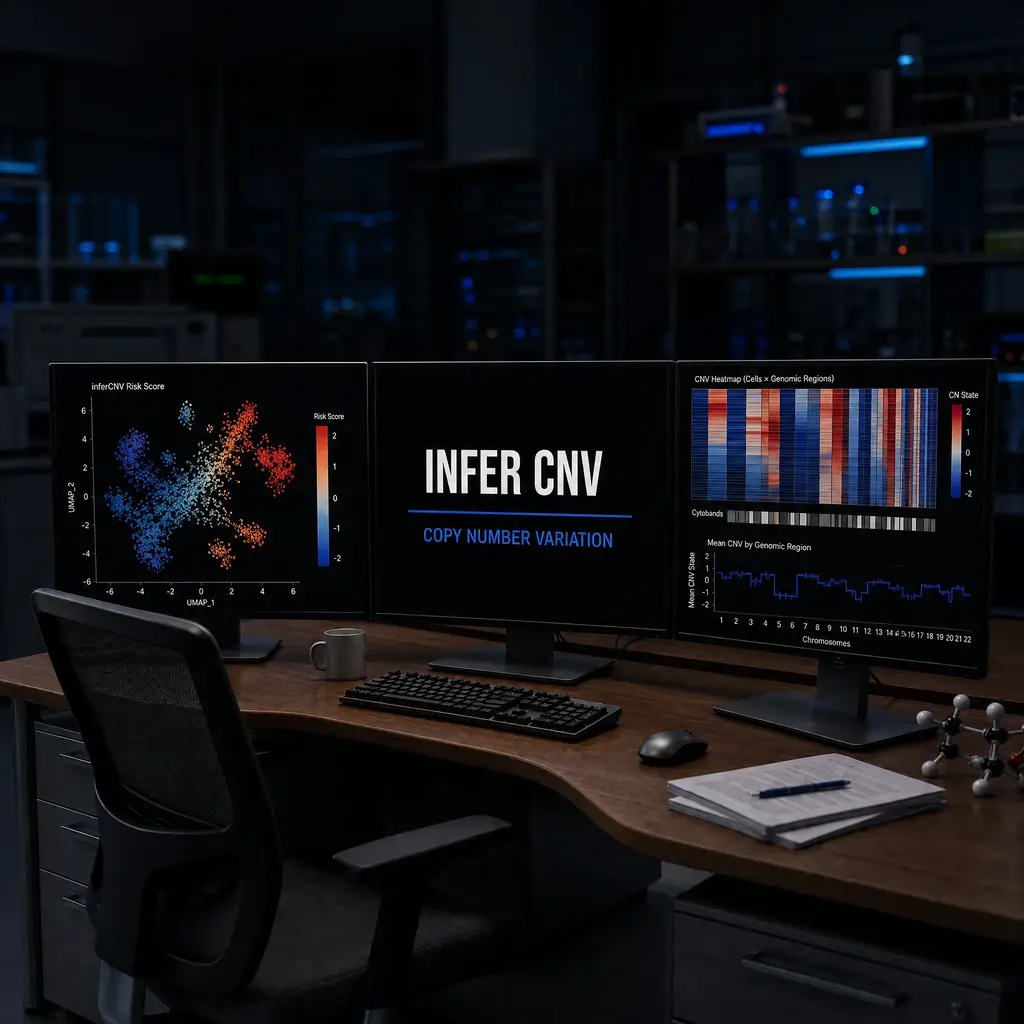
Learn how to use inferCNV to detect large-scale chromosomal copy number alterations in single-cell RNA-seq data, essential for identifying malignant tumor cells.

Read More →
Learn how to use high-resolution single-cell data as a reference to mathematically deconvolute the cell type proportions in massive bulk RNA-seq clinical cohorts.
Read More →
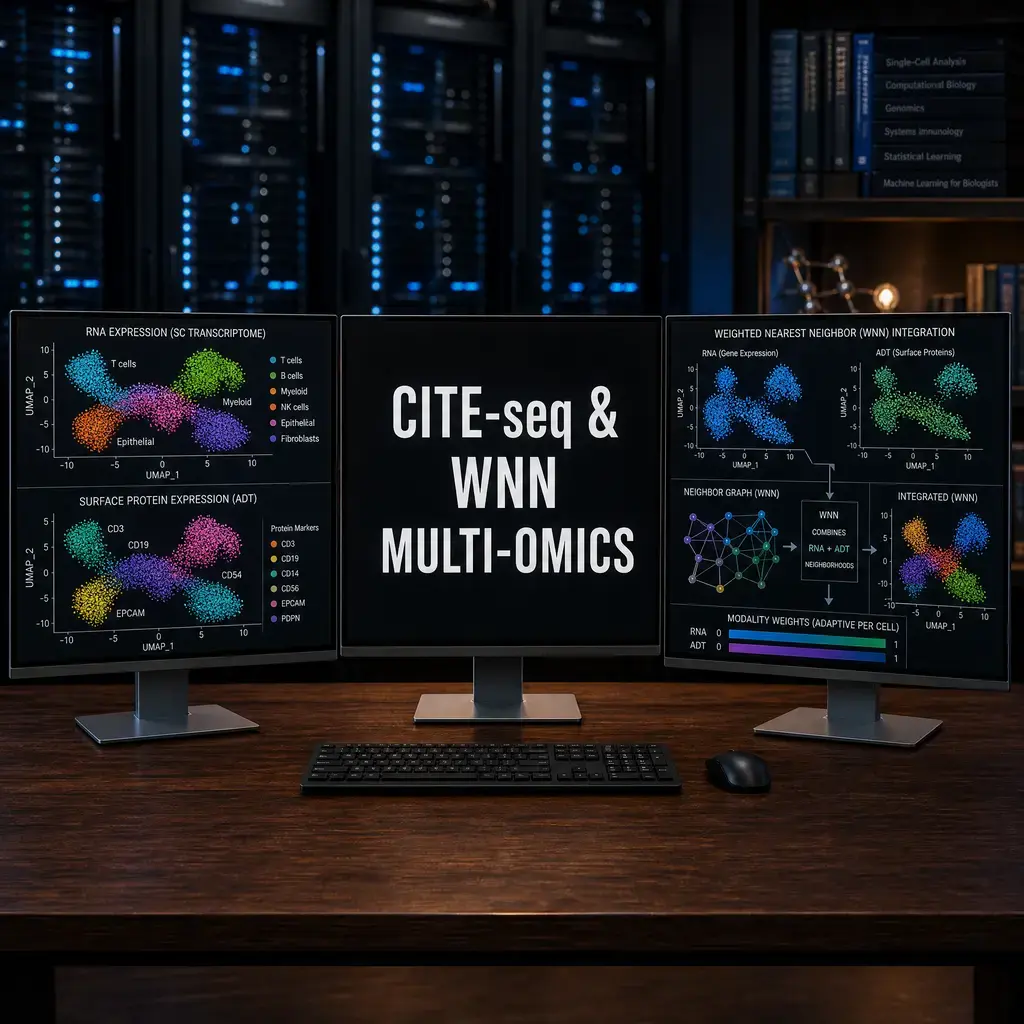
Learn how to process and integrate CITE-seq data, bridging the gap between RNA expression and surface protein abundance using Weighted Nearest Neighbor (WNN) analysis.
Read More →
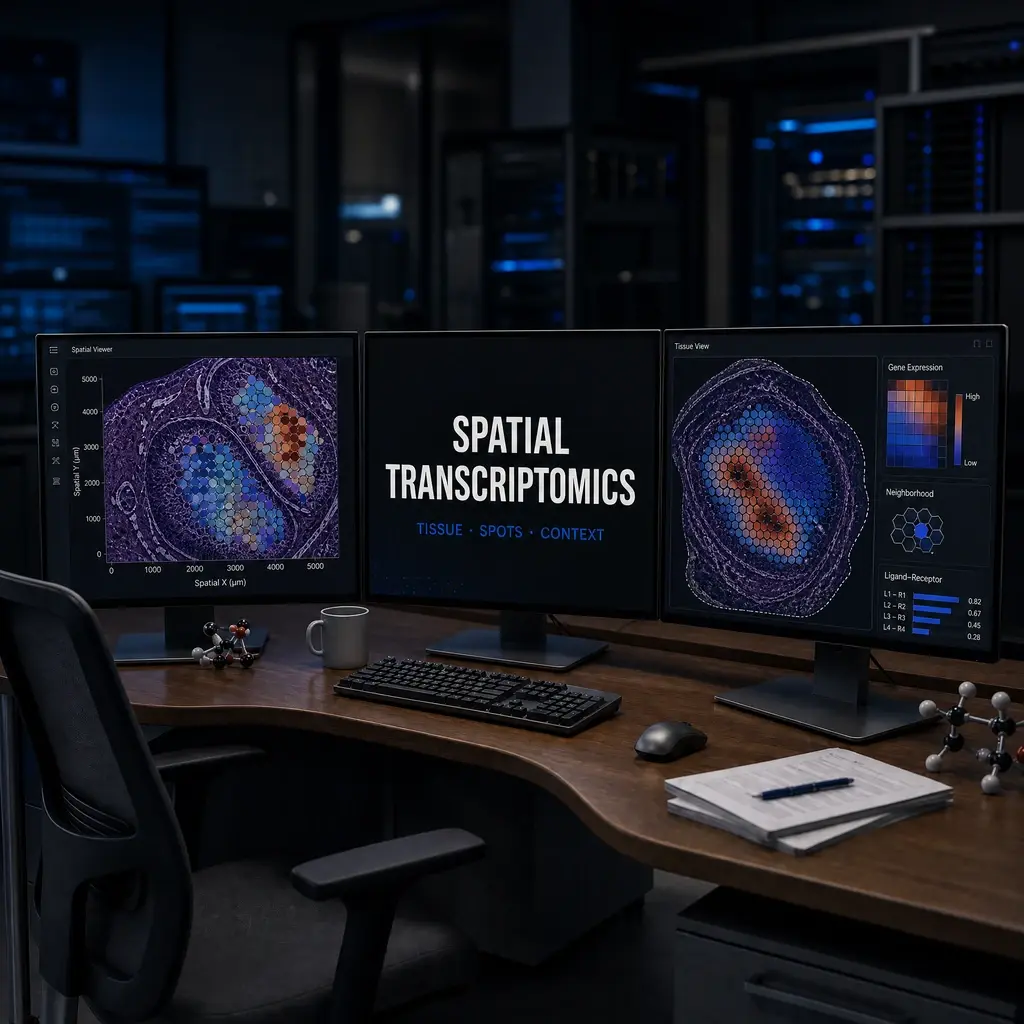
Learn how to analyze spatial transcriptomics data to map gene expression directly onto tissue architecture, with parallel code examples in both R (Seurat) and Python (Squidpy).
Read More →
A guide to analyzing long-read sequencing data from Oxford Nanopore and PacBio platforms, focusing on isoform discovery and structural variant detection.
Read More →
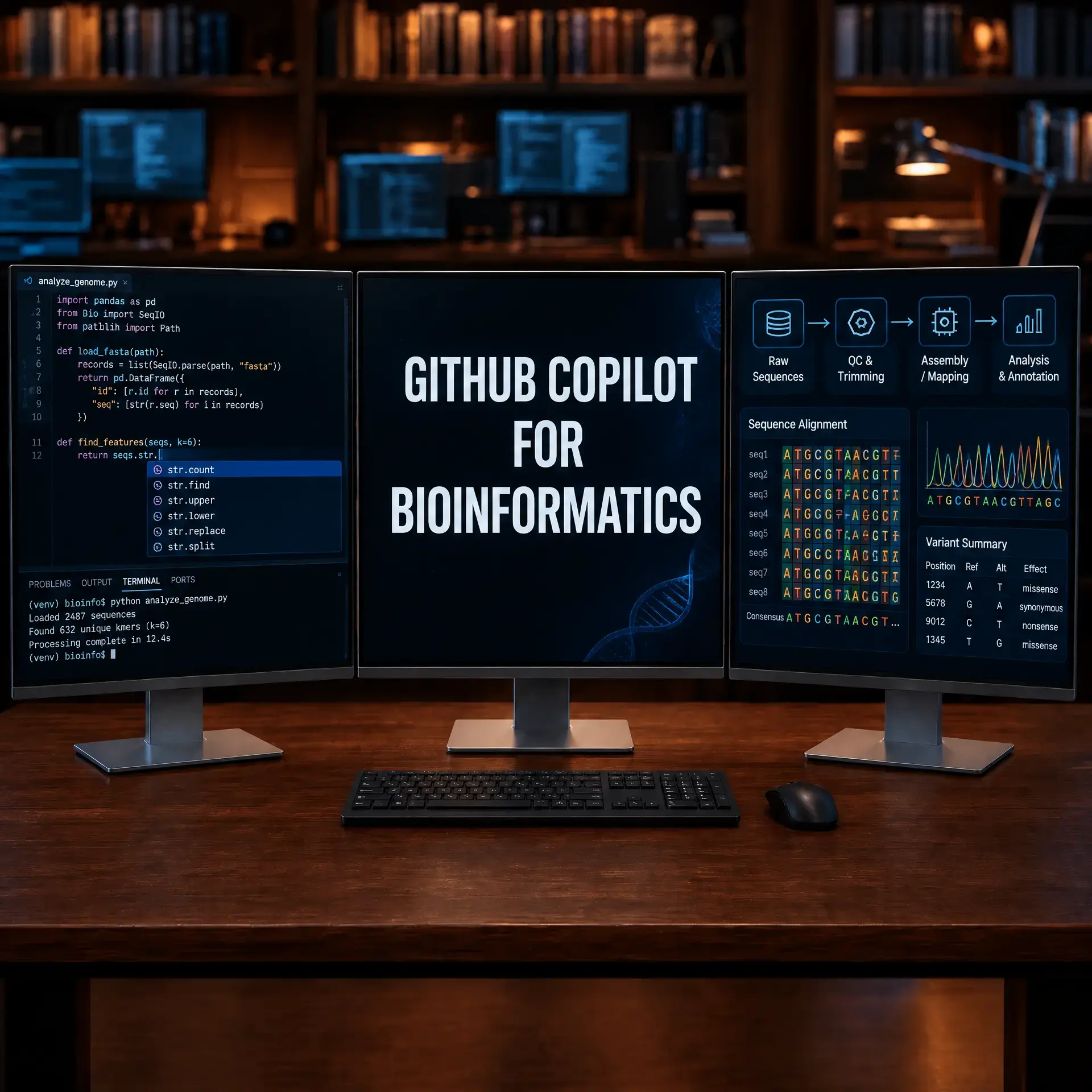
A step by step guide to obtaining the GitHub Student Developer Pack and configuring GitHub Copilot for free to accelerate bioinformatics research and vibe coding.
Read More →
A comprehensive guide to installing and configuring Cursor and Aider for AI native bioinformatics workflows on Windows, macOS, and Linux.
Read More →
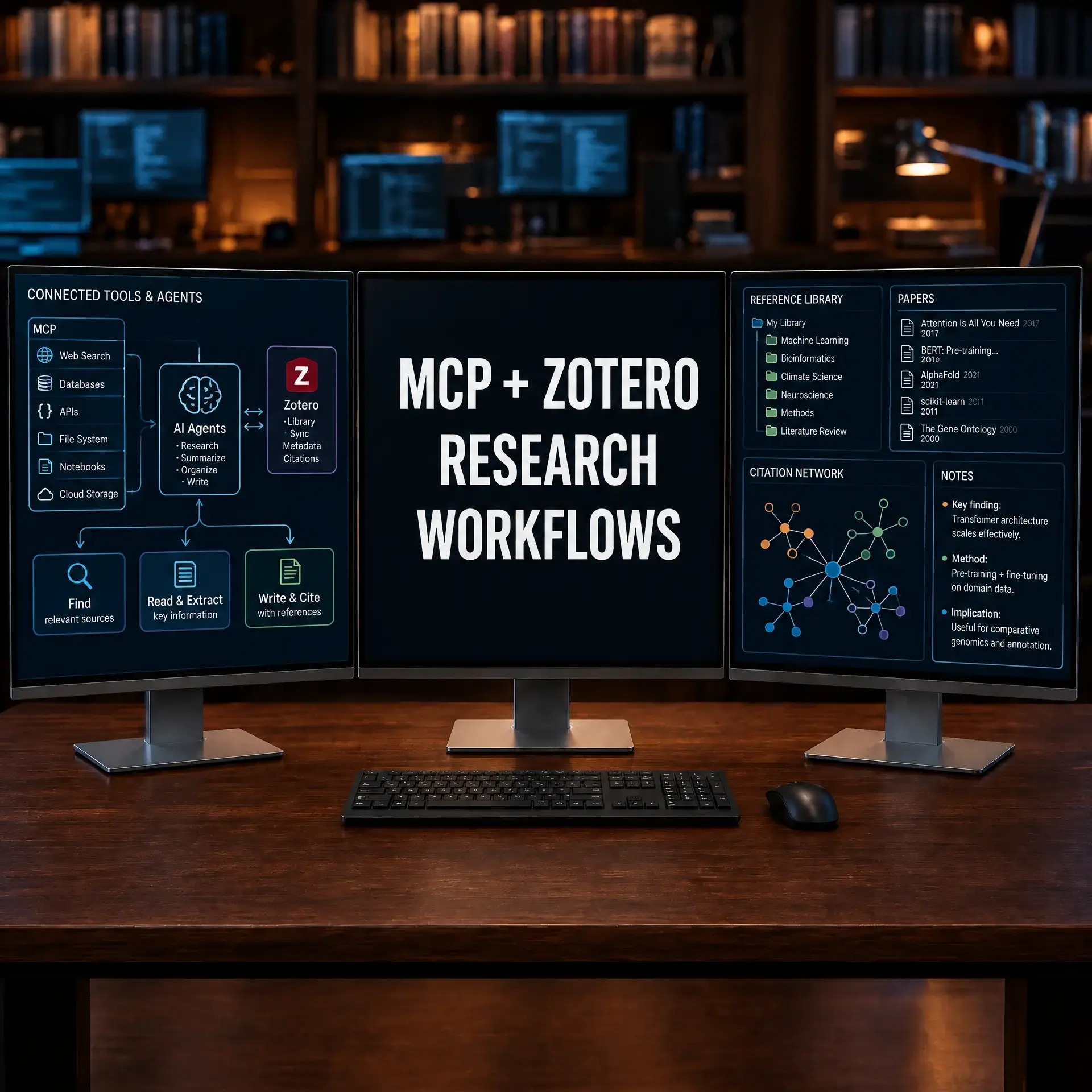
A complete guide to integrating the Model Context Protocol (MCP) with Zotero for AI-driven academic literature review and reference management.
Read More →
Learn how to build a custom research brain by uploading lab protocols and utilizing the NotebookLM MCP for expert knowledge retrieval.
Read More →
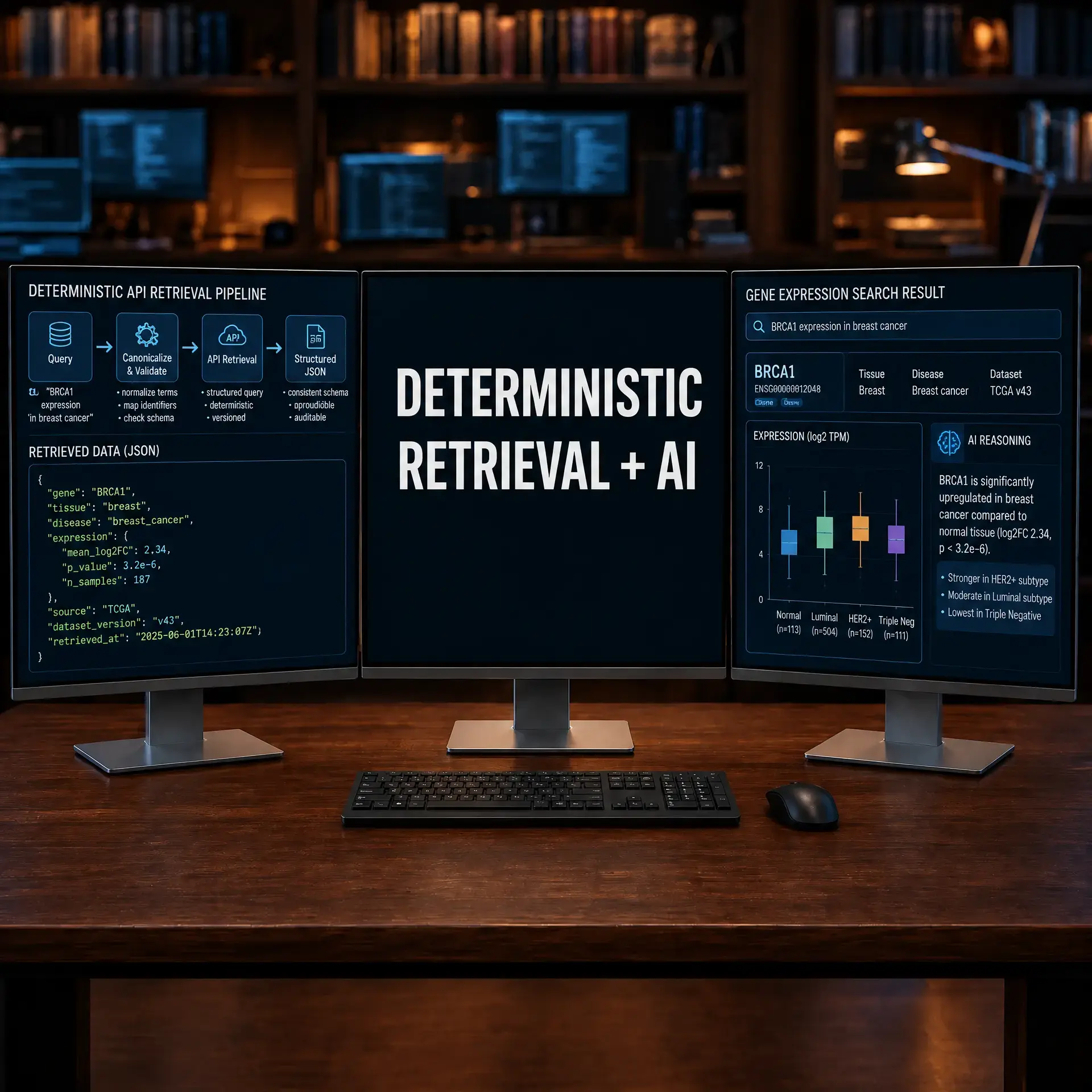
Prevent LLM hallucinations in biology using deterministic retrieval tools like gget to accurately query Ensembl and UniProt.
Read More →
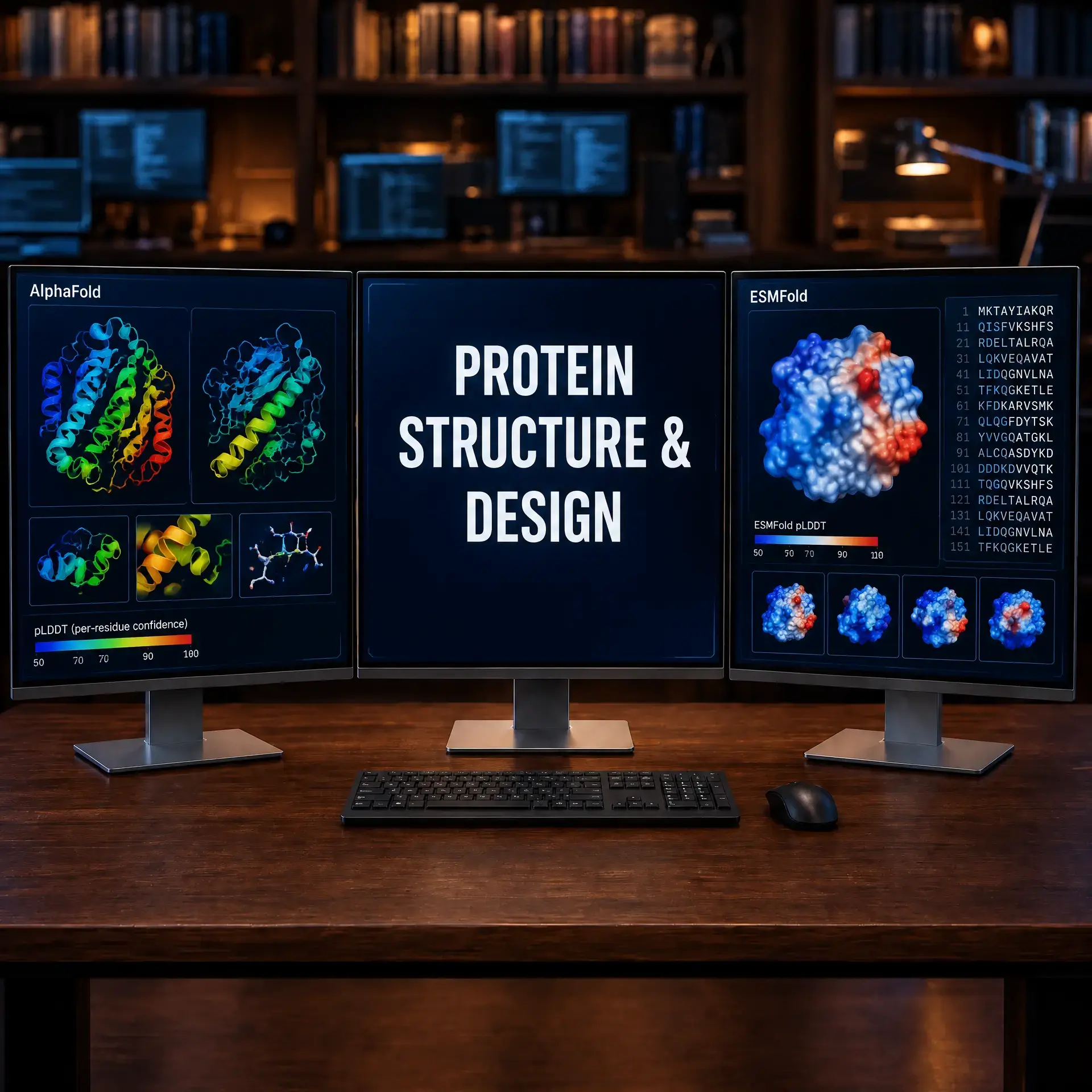
Programmatically submit queries to AlphaFold 3 and ESM APIs to predict and design protein structures.
Read More →
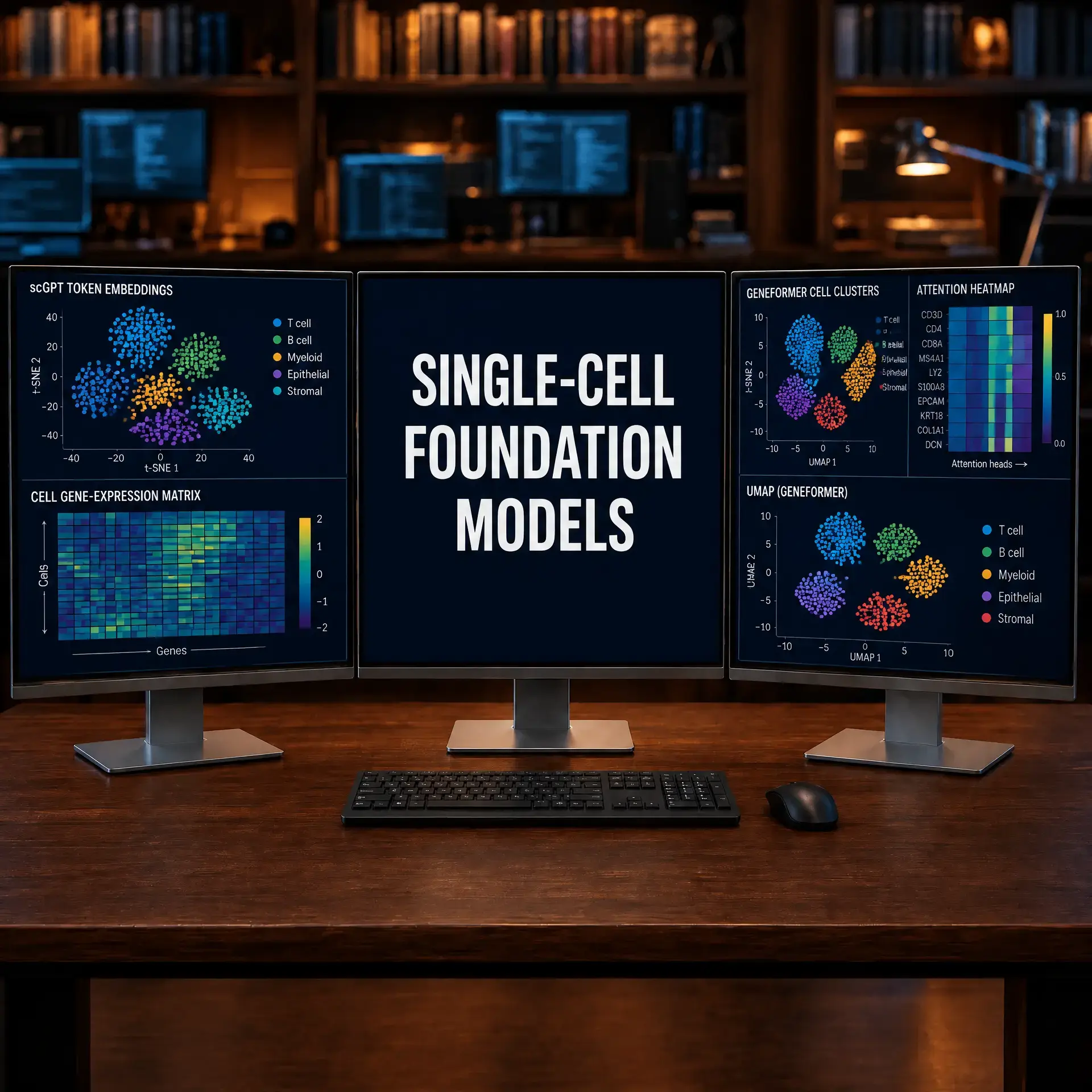
Load pre-trained models like scGPT and Geneformer from HuggingFace to annotate cell types and understand gene regulatory networks.
Read More →
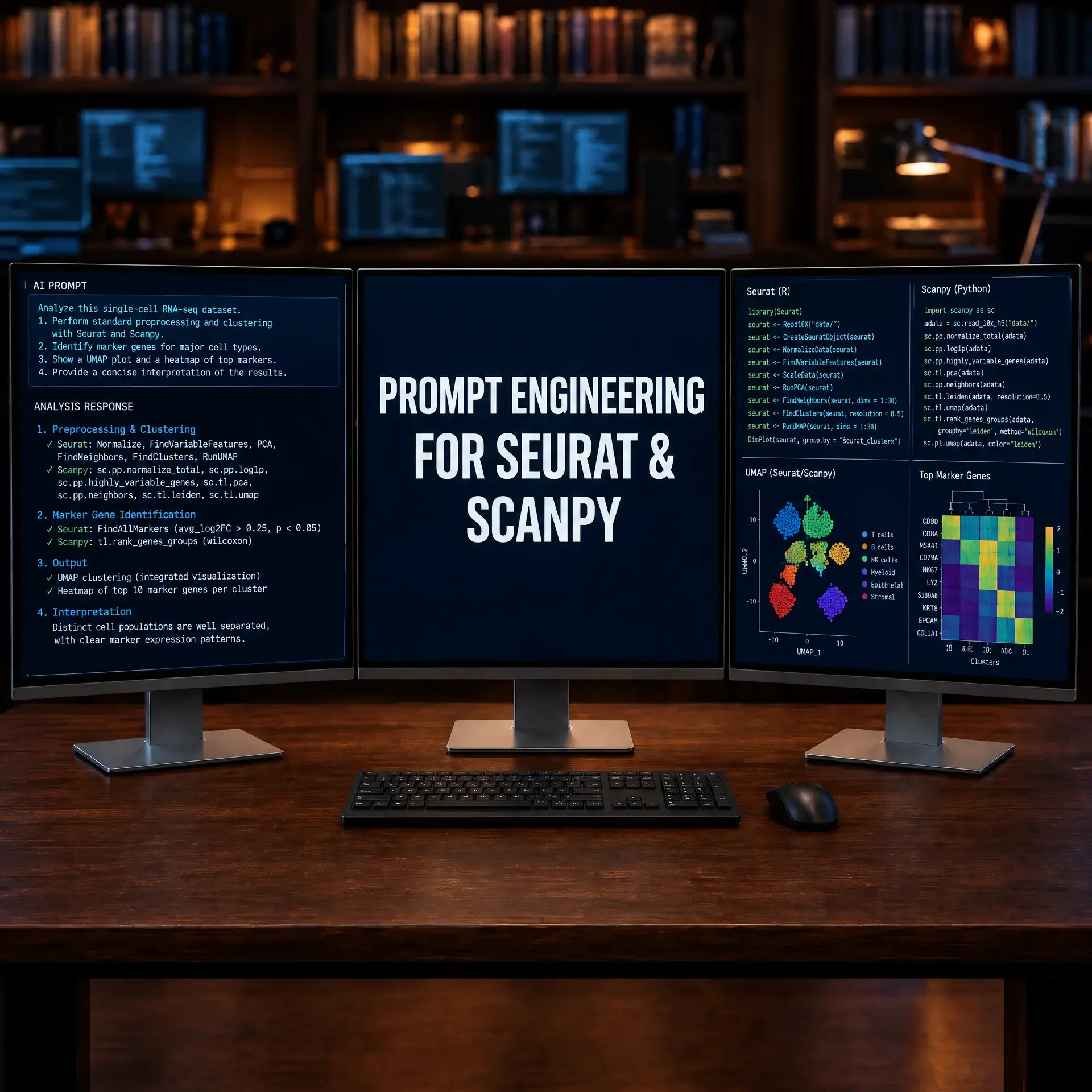
A guide to prompt engineering for data analysis using Seurat and Scanpy, focusing on vibe coding and logical intent.
Read More →
Learn how to build an autonomous research orchestrator that manages multiple AI agents to execute complex bioinformatics pipelines.
Read More →
An overview of advanced AI orchestration using biological foundation models and agent frameworks like LangGraph and AutoGen.
Read More →